 how-to
Beef Tallow Fried Chicken: Allergy Concerns Explained
Table of Contents
- Why Beef Tallow Fried Chicken Raises Allergy Questions
- Alpha-Gal Syndrome and Beef Tallow: What the Connection Means
- Beef Allergy Symptoms to Watch For
- Does Frying or Rendering Remove the Allergen?
- Beef Tallow Cross-Contact: Shared Fryers and Restaurant Kitchens
- Beef Tallow vs. Plant-Based Frying Oils for Allergy Diners
- How to Verify Ingredients and Kitchen Practices
- Frequently Asked Questions
Last Updated: October 19, 2026
Why Beef Tallow Fried Chicken Raises Allergy Questions
Beef tallow fried chicken allergy concerns come down to one fact: tallow is rendered beef fat, and beef can trigger immune reactions in some people, which is why beef tallow fried chicken allergy concerns keep coming up.
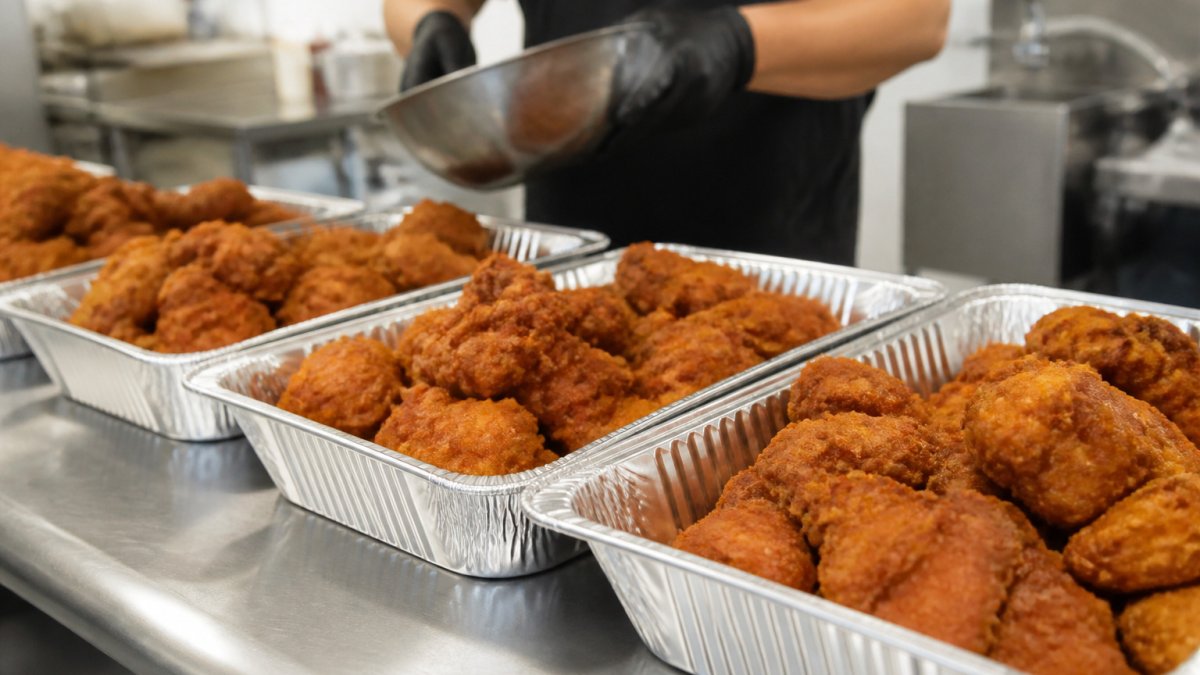
The questions are fair. Fried chicken cooked in beef fat tastes rich and crispy, but it also sits at the center of a real medical issue: alpha-gal syndrome, a red-meat allergy tied to tick bites.
Below, we walk through how the connection works, what symptoms look like, and how to ask the right questions before you order.
Alpha-Gal Syndrome and Beef Tallow: What the Connection Means
Alpha-gal syndrome is an allergy to a sugar molecule found in mammal meat and mammal-derived fats. (the CDC) It develops after certain tick bites and can cause delayed reactions to beef, pork, lamb, and products made from them.
That is why tallow enters the conversation. Beef tallow is rendered fat from cattle, so it comes from the same animal as the meat. For someone with alpha-gal syndrome, the fat is not automatically harmless.
How Tick Bites Trigger a Red-Meat Allergy
The bite of the lone star tick is linked to alpha-gal syndrome in the United States, according to the CDC's overview of alpha-gal syndrome. The tick's saliva contains the alpha-gal sugar.
After that, eating mammal meat or mammal fat may set off a reaction. Not everyone who is bitten develops the allergy. But for those who do, the sensitivity can be serious.
Why Tallow Can Still Carry Alpha-Gal
Alpha-gal is present in the tissues and fat of mammals, not just the muscle meat. Rendering fat does not reliably remove it, because the sugar is bound into the material itself rather than sitting on the surface.
So a batch of tallow can carry the same trigger as a steak. Individual sensitivity varies widely, and some people with alpha-gal syndrome react to very small amounts. Others tolerate more.
Beef Allergy Symptoms to Watch For
Symptoms of a beef-related reaction usually include hives, stomach problems, and in more serious cases trouble breathing. The timing depends on which type of allergy is involved.
- Hives or itchy rash, often appearing hours after eating
- Stomach problems such as nausea, cramping, or diarrhea
- Trouble breathing, wheezing, or throat tightness in severe cases
- Swelling of the face, lips, or tongue
Alpha-gal reactions are typically delayed, often showing up a few hours after the meal. That delay makes it easy to blame the wrong food. Keep a simple food log if you are trying to pin down a trigger.
Beef Protein Allergy vs. Alpha-Gal: Different Triggers, Different Timing
These are two separate conditions, and mixing them up leads to bad decisions.
A beef protein allergy is an immune response to proteins in beef.
Alpha-gal syndrome targets a sugar, not a protein, and reactions usually arrive several hours later.
That distinction matters for tallow. A person with alpha-gal syndrome may need to avoid tallow even if they have never reacted to chicken.
Does Frying or Rendering Remove the Allergen?
No. High heat does not reliably remove alpha-gal or beef proteins from tallow. Frying chicken in tallow does not make the fat safe for someone who reacts to beef.
This is the part that surprises people. Cooking breaks down some compounds, but it does not erase the sugar or protein that triggers an immune response. Rendering, the process that turns beef fat into tallow, purifies fat by melting and straining it, but the alpha-gal sugar and beef proteins can remain in the finished product.
Why Heat Does Not Solve It
Alpha-gal is a sugar molecule, not a protein. It is not destroyed by the temperatures used in frying or rendering in the way some proteins are denatured.
A common pattern is that people assume a clear, hot oil kills anything harmful. That is true for many microbes, not for allergens. Allergens are not alive, so heat does not neutralize them the way it neutralizes bacteria.
What About the Chicken Itself?
Chicken is poultry, not mammal meat, so it does not contain alpha-gal. The risk comes from the fat it is cooked in and from anything else in the fryer. That is why the frying oil, not the bird, is the question to ask. For a person with alpha-gal syndrome, the chicken is not the concern; the tallow is. For a person with a beef protein allergy, the fat can still carry beef proteins, so the same caution applies.
How to Think About "Safe" Tallow
There is no reliable home test or label claim that proves a tallow is free of the relevant allergen. The safer approach is to avoid tallow if you have a diagnosed or suspected beef-related allergy, and to ask the kitchen what fat is in the fryer today. If you are unsure which condition you have, ask your doctor about testing rather than guessing from symptoms alone.
Beef Tallow Cross-Contact: Shared Fryers and Restaurant Kitchens
Cross-contact is the biggest practical risk in a restaurant kitchen. If tallow shares a fryer with other foods, or if the same tools handle multiple items, traces can travel.

Here is how cross-contact happens in a busy kitchen:
- A shared fryer used for tallow and plant-oil items
- The same tongs or baskets moving between stations
- Batter or breading that touches multiple foods
- Oil that is filtered and reused across different items
For someone with a severe allergy, even small traces can matter. That is why a clear answer from the kitchen beats a hopeful guess.
A Fryer and Cross-Contact Checklist
Use this as a script, not a vibe check. Ask in person or by phone during off-peak hours, and write down the answers so you can compare locations.
- What fat is in the fryer today? Ask for the current oil, not the menu description. "Beef tallow" and "tallow blend" are different answers.
- Is the tallow fryer dedicated? If it shares oil with plant-oil items, ask whether the shared oil is filtered between batches and whether the same baskets are used.
- What else goes in that fryer? Fries, onion rings, and breaded items often share oil. Ask for the full list.
- How is the oil handled? Ask whether oil is filtered, reused, or topped off with a different fat, and how often it is changed.
- What touches the chicken? Tongs, baskets, prep surfaces, and batter bowls can carry traces even when the fryer is dedicated.
- Can you show the ingredient list? Batter and breading can contain dairy, gluten, or egg in addition to the frying fat.
- Is there a written allergen process? A kitchen that tracks allergens can usually describe it; one that cannot is a risk you have to weigh.
What a Trustworthy Answer Sounds Like
A specific answer names the fat, the fryer, and the handling steps. "We use a dedicated tallow fryer, separate baskets, and we filter the oil nightly" is verifiable. "I think it's fine" is not. If staff cannot answer, treat that as your answer rather than assuming the best.
If You Have Multiple Allergies
A fryer that is safe for beef avoidance may still be a problem for a peanut, gluten, or dairy allergy. Ask about each one separately, and do not let a clear answer about tallow stand in for answers about the batter, the breading, or the sauces.
Beef Tallow vs. Plant-Based Frying Oils for Allergy Diners
For diners managing a beef-related allergy, plant-based frying oils remove the tallow question entirely. Canola, soybean, and other seed oils contain no mammal fat and no alpha-gal.
| Frying Oil | Contains Mammal Fat | Alpha-Gal Risk | Best For |
|---|---|---|---|
| Beef tallow | Yes | Possible | Rich flavor, high-heat frying |
| Canola oil | No | None from fat | Neutral flavor, everyday frying |
| Soybean oil | No | None from fat | Light taste, restaurant frying |
| Peanut oil | No | None from fat | Nut allergy caution needed |
A word of caution: plant-based oil solves the beef question, but it does not solve every allergy.
If you have multiple allergies, ask about each one separately. A fryer that is safe for beef avoidance may still be a problem for a peanut or gluten allergy.
How to Verify Ingredients and Kitchen Practices
Verification comes down to documentation and direct conversation. Ask for ingredient information, confirm the oil, and check whether the kitchen has a written allergen process.
- Ask for the ingredient list for the chicken, batter, sauce, and fries.
- Confirm the oil source and whether tallow is used at all.
- Check for a written allergen policy and staff training.
- Ask about oil changes and filtering if cross-contact is a concern.
At Lava Hot Chicken, our chicken is Halal-certified and fried in beef tallow, so we are direct about what is in the fryer.
For diners with a peanut allergy, the good news is that beef tallow is not a peanut product.
Frequently Asked Questions
Can someone with a beef allergy eat chicken fried in beef tallow?
It depends on which allergy they have. A true beef protein allergy means the immune system reacts to proteins in beef, and rendered tallow can still contain trace protein, so eating food fried in it is risky. Alpha-gal syndrome is different: the reaction targets a sugar found in mammal fats, and tallow can trigger it too. Anyone with either condition should treat beef tallow as a possible trigger and confirm with their allergist before ordering.
Does chicken fried in beef tallow actually contain beef?
The chicken itself is not beef, but the frying oil is rendered beef fat, so the finished food carries beef-derived material. For someone managing a beef tallow allergy or alpha-gal syndrome, that contact matters. Ask the restaurant whether the fryer is dedicated to tallow, whether the same oil fries other items, and whether the kitchen filters or tops off oil with fresh beef fat during service.
What is the difference between a beef allergy and alpha-gal syndrome?
A beef allergy is an immune response to beef proteins, often showing up within minutes of eating. Alpha-gal syndrome is a delayed reaction to a sugar called galactose-alpha-1,3-galactose, linked to certain tick bites, with symptoms typically starting two to six hours after eating red meat or mammal-derived fat. Both can cause hives, stomach problems, and trouble breathing, but the timing and trigger differ, which changes how you plan a meal out.
How do I ask a restaurant whether it uses beef tallow?
Ask directly and specifically: which fat fries the chicken, whether that fryer is shared with other items, and whether the oil is ever blended with beef tallow. Request the allergen information sheet if one exists. If staff cannot confirm the fryer setup, treat the item as unsafe for your sensitivity. A kitchen that tracks its oil and can explain cross-contact practices is a better bet than one that guesses.
Beef tallow fried chicken allergy concerns are real, and they deserve a straight answer rather than a shrug. If you have alpha-gal syndrome or a beef allergy, ask before you order, confirm the frying oil, and know your own sensitivity. At Lava Hot Chicken, we serve Halal-certified hot chicken with five spice levels and a signature Lava Sauce, and we are happy to walk you through what goes into our fryer. Visit us in Rowlett or Plano and get directions to your nearest location.