 listicle
Halal Chicken Wing Sauces and Flavors: A Complete Guide
Last Updated: October 23, 2026
Quick Summary
Halal chicken wing sauces and flavors combine bold taste profiles with religious dietary compliance, ranging from no-spice garlic options to fire-level hot sauces. These sauces use halal-certified ingredients while delivering the same intensity and complexity that spice enthusiasts demand, proving that halal certification and bold flavor are complementary rather than opposing forces.
- Halal chicken wing menus typically offer five distinct heat tiers from no spice to fire level, each with its own sauce profile.
- Popular halal wing sauce options include buffalo, barbecue variations, garlic parmesan, sweet chili, and honey garlic marinades.
- Halal certification addresses religious dietary requirements but does not automatically cover allergen concerns like peanuts, gluten, or dairy.
- The cooking method influences sauce choice: fried wings pair with wet sauces, grilled wings work better with drier rubs, and baked wings benefit from thicker glazes.
- Marinade components require three core elements: acid for tenderizing, fat for carrying flavor, and flavor layers like garlic, ginger, and hot peppers.
Table of Contents
- Understanding Halal Chicken Wing Sauces and Flavors
- Heat Levels: From No Spice to Fire
- The Best Halal Wing Sauce Options
- Sweet and Spicy Chicken Wing Sauce Combinations
- Honey Garlic Chicken Wings and Marinades
- Creating a Halal Chicken Wing Marinade at Home
- Allergen Safety and Dietary Considerations
- Pairing Sauces with Sides and Cooking Methods
- Frequently Asked Questions
Understanding Halal Chicken Wing Sauces and Flavors
Halal chicken wing sauces and flavors represent a growing category in casual dining, combining bold taste profiles with religious dietary compliance. At Lava Hot Chicken, we've built our entire concept around this intersection, delivering hand-prepped, double-dredged halal chicken paired with signature sauces that don't compromise on flavor for certification.
What makes halal chicken wings different from standard offerings isn't just the preparation method. It's about understanding that halal-certified ingredients and processes can deliver the same intensity, complexity, and satisfaction that spice enthusiasts demand. The sauce becomes the vehicle for heat, sweetness, savory depth, and everything in between.
The key insight many restaurants miss: halal certification and bold flavor aren't opposing forces. They're complementary. When you source halal-certified hot sauce bases, vinegars, and proteins, you're not limiting your flavor palette, you're expanding it to include an audience that's been underserved by the hot chicken market.
Frontiers in Food Science and Technology research on shelf-life stability of chicken wing sauces examined how different sauce formulations, including hot, lemon pepper, sweet chili, teriyaki, and mild, maintain their flavor profiles over time. The takeaway: consistency in sauce quality depends on ingredient selection and storage, not just heat level.
Heat Levels: From No Spice to Fire
Heat level is the first decision any wing customer makes, and it's also the most personal. Some diners want pure flavor with zero capsaicin burn. Others want their mouth on fire. Most fall somewhere in the middle.
We've structured our menu around five distinct spice tiers, each with its own sauce profile and heat intensity. This approach serves two purposes: it removes the guesswork for customers, and it ensures every order delivers a consistent experience at that heat level.
No Spice wings focus entirely on sauce flavor, garlic, sweetness, umami depth, without any chili pepper burn. Mild introduces a subtle warmth, where the sauce flavor dominates. Medium hits the balance point where heat and taste are equally present. Hot brings real spice intensity, and Fire is for customers who view heat as the main event.
The practical difference between heat levels matters more than most guides acknowledge. A sauce formulated for No Spice can't simply have hot peppers removed from a Fire recipe. The entire flavor structure changes. Vinegar ratios shift. Sweetness balances differently. What works at Fire level tastes hollow at Mild.
The Best Halal Wing Sauce Options
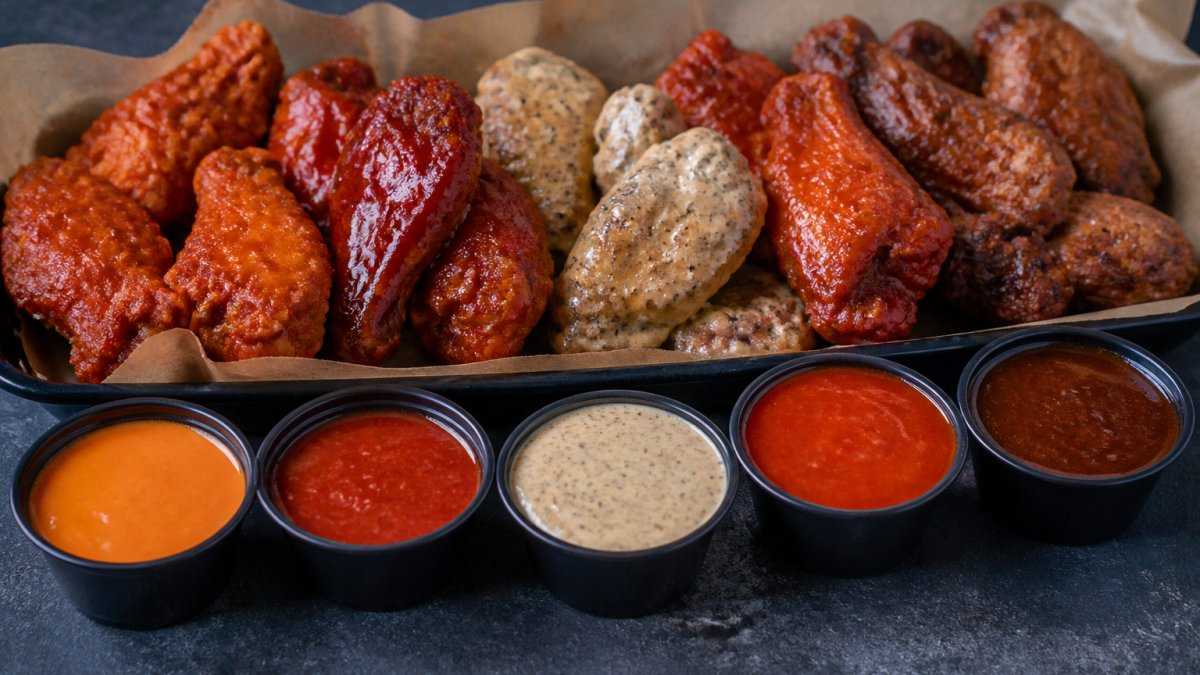
Buffalo and Hot Sauces remain the foundation of any serious wing menu.
Halal-certified buffalo sauces maintain this profile while sourcing compliant hot pepper bases and ensuring all ingredients meet Islamic dietary standards. The result tastes identical to non-halal versions because the flavor fundamentals haven't changed, only the supply chain.
Hot variations expand beyond buffalo. Some lean into sriracha profiles with garlic and ginger. Others use habanero or ghost pepper bases for extreme heat. The common thread: these sauces prioritize capsaicin intensity without abandoning flavor complexity.
The Halal Guys' new chicken wing sauce offerings include Smokey BBQ and Hot Chili BBQ as signature options, demonstrating how established halal restaurants are expanding their sauce portfolios.
Barbecue Variations have moved beyond the standard brown sugar and tomato base. Modern halal barbecue sauces incorporate smoked paprika, liquid smoke, and deeper spice blends. Smokey BBQ focuses on that charred, wood-fired character.
The advantage of barbecue sauces on wings is their versatility. They work equally well on fried, grilled, or baked chicken. They pair with dry rubs. They complement both creamy sides and acidic slaw.
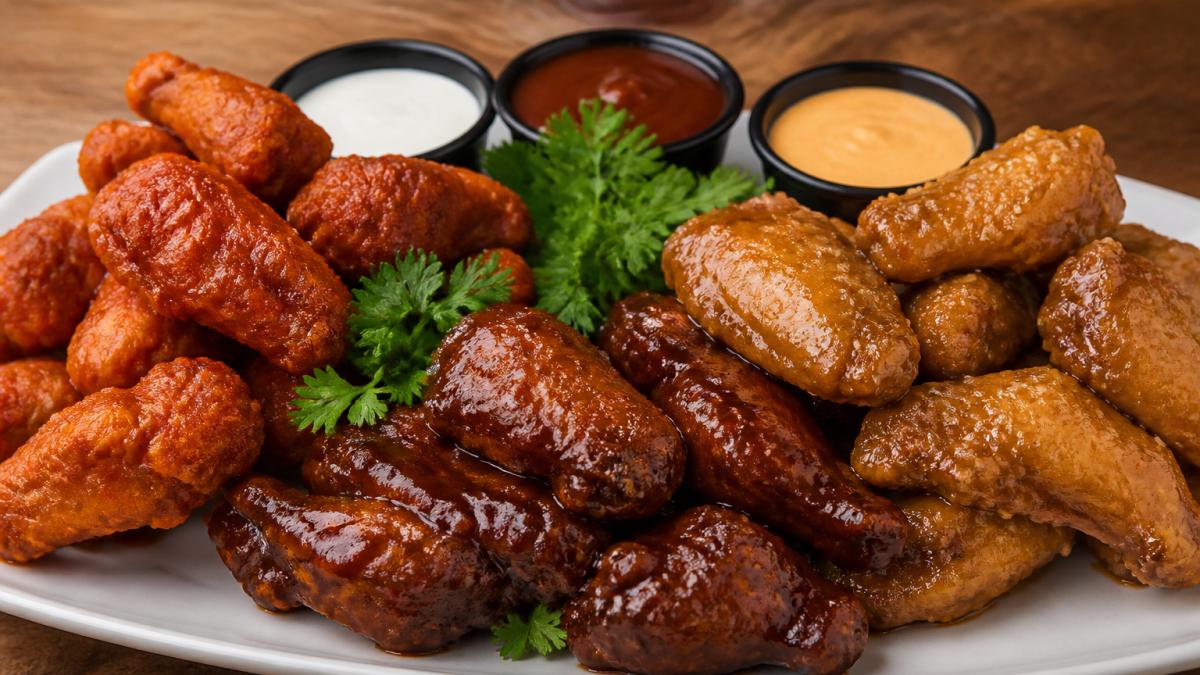
Garlic and Savory Profiles represent the opposite end of the heat spectrum from Fire-level sauces. These rely on minced or roasted garlic, sometimes combined with parmesan or other umami-rich ingredients. Garlic parmesan wings deliver savory depth without any chili pepper presence.
This category appeals to two distinct audiences. First, customers who genuinely dislike spice but want bold flavor. Second, those building a mixed order where not everyone at the table tolerates heat the same way.
Sweet and Spicy Chicken Wing Sauce Combinations
Sweet and spicy represents one of the most popular flavor combinations across cuisines, Korean gochujang, Thai chili with honey, American barbecue with brown sugar. On chicken wings, this balance creates a sauce that's immediately appealing but reveals layers as you eat.
Midamar Halal's recipe collection for halal chicken wing flavors includes a sweet-and-spicy gochujang profile alongside lemon pepper and buffalo options. Gochujang specifically brings fermented depth, heat from Korean chili, and natural sweetness from the fermentation process. It's more complex than simple hot sauce.
Sweet chili sauces typically combine chili peppers with honey, brown sugar, or fruit elements like mango or pineapple. The sweetness doesn't mask the heat, it amplifies it by creating contrast. Your palate experiences the sugar hit, then the chili burn, then the sugar again as flavors layer.
The key to executing sweet and spicy correctly: the heat and sweetness must arrive at different moments. If they hit simultaneously, they cancel each other out. The best versions have the sweetness lead, followed by a delayed chili burn that builds rather than spikes.
Honey Garlic Chicken Wings and Marinades
Honey garlic combines two of the most versatile flavor components in any kitchen. Honey brings natural sweetness, slight caramel notes, and a silky mouthfeel. Garlic delivers pungency, umami depth, and a savory anchor that prevents the sauce from becoming cloying.
On wings, honey garlic works as both a marinade and a finishing sauce. As a marinade, it penetrates the chicken during preparation, tenderizing slightly while building flavor. As a finishing sauce, it creates a glossy coating that clings to the crispy exterior.
Halal-certified honey garlic marinades source compliant ingredients. The garlic, honey, and supporting elements (soy sauce, vinegar, ginger) all need halal verification, but the final flavor profile remains unchanged.
Creating a Halal Chicken Wing Marinade at Home
Building a halal chicken wing marinade at home requires three core components: acid, fat, and flavor. The acid (vinegar, lemon juice, or soy sauce) tenderizes and brightens. The fat (oil, butter, or mayo-based components) carries flavor and creates richness. The flavor layer includes everything from garlic and ginger to hot peppers and spices.
| Marinade Component | Purpose | Halal Consideration |
|---|---|---|
| Vinegar or Lemon | Tenderize and brighten | Verify fermentation source |
| Oil | Carry fat-soluble flavors | Ensure plant-based or halal animal source |
| Garlic and Ginger | Build aromatic base | Naturally halal |
| Hot Peppers | Deliver heat | Verify processing and additives |
| Soy Sauce | Add umami depth | Confirm halal certification |
| Honey or Brown Sugar | Balance sweetness | Verify source and processing |
When sourcing ingredients for a halal marinade, the certification matters most for processed elements like soy sauce, vinegars, and pre-made hot sauce bases. Fresh garlic, ginger, peppers, and honey are typically halal-compliant by nature.
Allergen Safety and Dietary Considerations
Halal certification addresses religious dietary requirements but doesn't automatically address allergen concerns. A sauce can be halal-certified and still contain peanuts, tree nuts, soy, sesame, or other common allergens.
For customers with peanut allergies specifically, the concern extends beyond direct peanut inclusion. This is where beef tallow fryers become relevant, they eliminate peanut oil as a frying medium, removing one major contamination vector.
Gluten concerns typically arise from soy sauce (which can contain wheat), certain hot sauce thickeners, or breading on the wings themselves. Halal-certified doesn't equal gluten-free.
Dairy appears in many wing sauces, particularly garlic parmesan, buffalo variations (which use butter), and creamy white sauce options.
The practical approach: list allergen information clearly alongside each sauce option. Don't assume halal certification covers all dietary needs. Customers need explicit confirmation that a sauce meets their specific requirements.
Pairing Sauces with Sides and Cooking Methods
The cooking method influences which sauces perform best. Deep-fried wings with crispy exterior and juicy interior pair beautifully with wet sauces like buffalo or barbecue, the sauce adheres to the crispy skin and creates textural contrast. Grilled wings with charred exterior work better with drier rubs or lighter glazes that don't overwhelm the smoke flavor. Baked wings benefit from thicker, stickier sauces that coat evenly without dripping off.
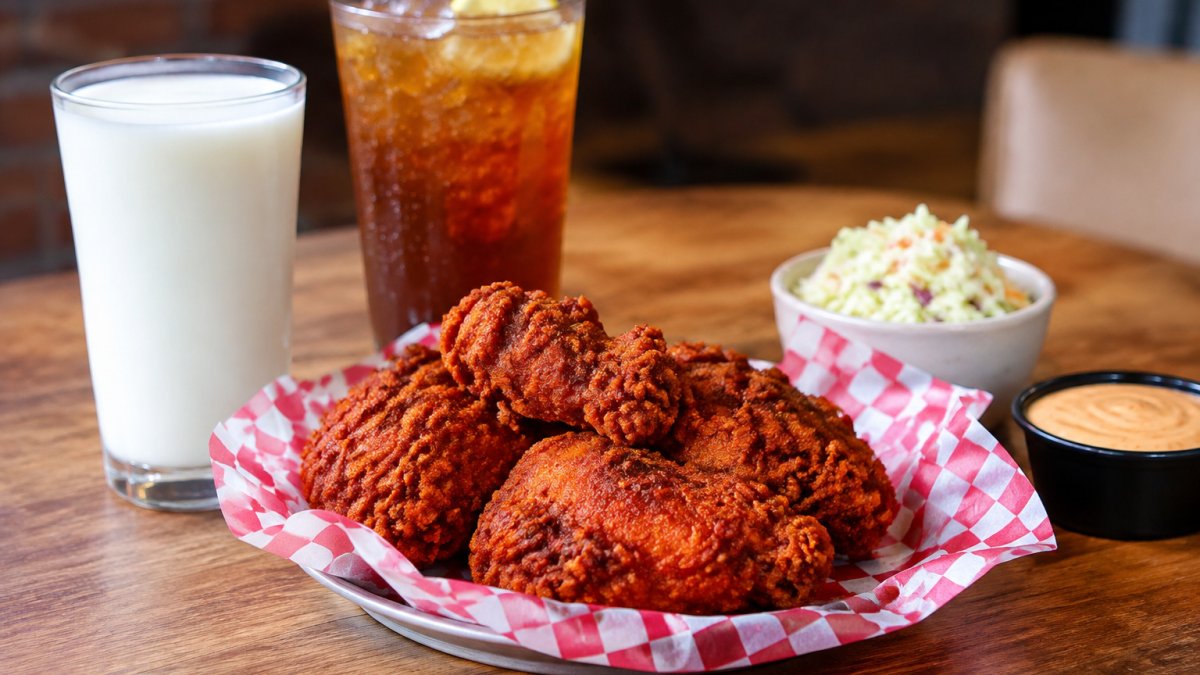
Slaw sides, particularly creamy or vinegar-based versions, create flavor balance. A hot, spicy sauce pairs with cool, acidic slaw. Sweet and spicy sauce pairs with creamy slaw that mellows the sweetness. The side isn't an afterthought; it's part of the complete eating experience.
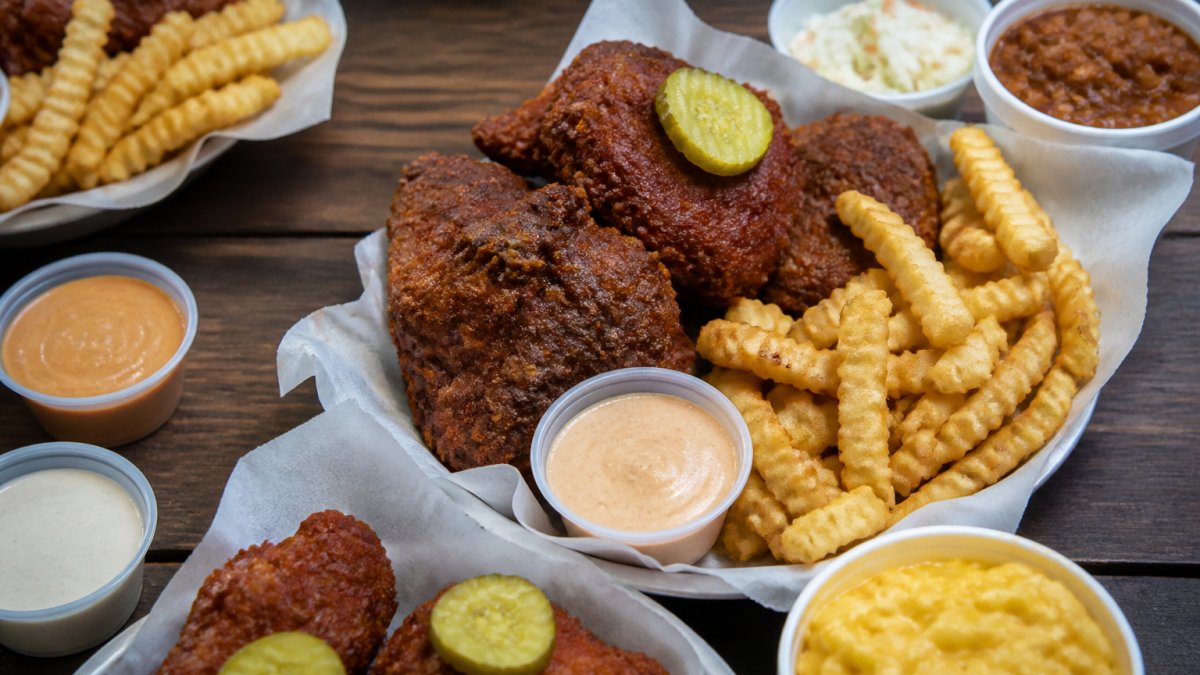
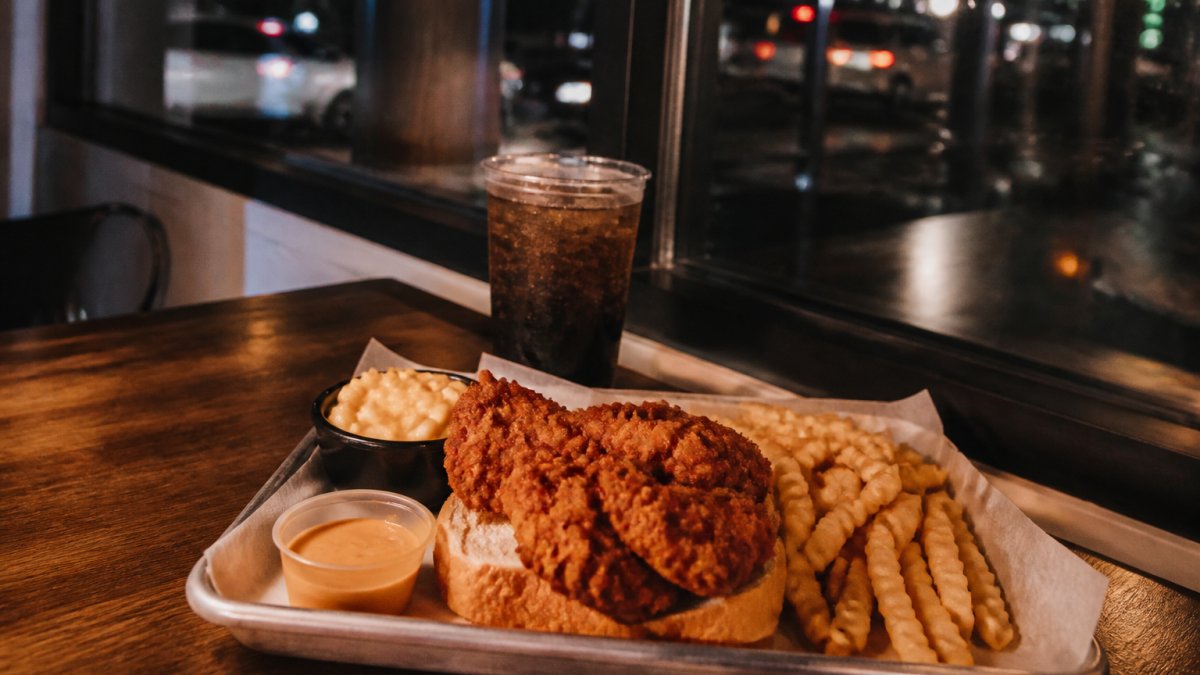
Crinkle-cut fries offer neutral flavor that works with any sauce. Cajun-spiced fries require lighter sauces to avoid flavor overload. Garlic parmesan fries pair with garlic-forward wing sauces. The best restaurants think about sauce-and-side combinations as unified offerings, not separate menu items.
Dipping sauces deserve separate consideration from coating sauces. A sauce that clings beautifully to fried wings might be too thick for dipping. Conversely, a perfect dipping consistency might run off wings during frying.
Finding the right halal chicken wing sauce means matching heat tolerance, flavor preference, and dietary needs. Lava Hot Chicken approaches this by offering five distinct spice levels paired with our signature Lava Sauce, hand-prepped chicken that delivers consistent quality at every heat tier. Whether you're seeking pure flavor without spice or maximum fire intensity, our customizable heat levels ensure your order tastes exactly how you want it. Visit us in Rowlett or Plano to experience bold, flavor-first halal hot chicken that respects both your palate and your dietary requirements.
Frequently Asked Questions
What makes a halal chicken wing sauce or marinade truly halal-certified?
A halal chicken wing sauce must contain no alcohol, pork derivatives, or non-halal animal products. Check that all ingredients, including soy sauce, Worcestershire sauce, and any liquid flavorings, are halal-certified. Look for certification marks from recognized halal authorities. Many traditional sauces like Buffalo and barbecue can be made halal by substituting alcohol-free versions and ensuring the chicken itself is halal-slaughtered and processed.
What are the best sweet and spicy chicken wing sauce options for moderate heat?
Sweet and spicy sauces balance heat with sweetness, making them approachable for most palates. Gochujang-based sauces offer mild to medium heat with umami depth. Honey-sriracha blends provide gentle warmth and caramel notes. Sweet chili sauces deliver tangy sweetness with a subtle kick. These options work well for families with mixed spice preferences and pair naturally with crispy fried wings without overwhelming the chicken's flavor.
How do honey garlic chicken wings differ from other wing flavors?
Honey garlic wings combine sticky sweetness with savory garlic depth, creating a balanced flavor that appeals to those who want taste without extreme heat. The honey caramelizes during frying or baking, coating the wing in a glossy finish, while garlic adds umami complexity. This combination works especially well on hand-prepped, double-dredged chicken, where the thick breading holds the sauce and provides textural contrast.
Can I make a halal chicken wing marinade at home without alcohol?
Yes. Combine halal soy sauce, honey or brown sugar, minced garlic, ginger, and spices like cayenne or smoked paprika. Use apple cider vinegar or lemon juice for acidity instead of wine or beer. Marinate wings for 2-4 hours in the refrigerator before frying. This approach gives you control over heat level, ingredient sourcing, and halal certification. Many home cooks find that simple marinades with quality halal ingredients outperform store-bought versions in both flavor and texture.