 listicle
How Much Sauce and Sides Should a Generous Portion Be?
Last Updated: November 2, 2026
Quick Summary
A generous portion means 2 oz of sauce per person for dipping and drizzling, plus one backup cup per shared side. For sides, one shared side feeds about two people when sauce is involved, so two sides for four people is the baseline.
- Dipping needs 1 to 2 oz of sauce per person for a tender basket or slider.
- Drizzling takes 1 to 2 tbsp per piece of chicken for even coverage without pooling.
- Dressing a side calls for 2 tbsp per cup of slaw or salad.
- For ten people, plan 20 oz of sauce, or ten 2 oz cups, plus two extra cups.
- A $39.00 bundle that feeds four works out to under $10 per person.
Table of Contents
- What a Generous Portion Actually Means for Sauce and Sides
- The Right Sauce Portion Size for Dipping, Dressing, and Drizzling
- Best Sauces for Hot Chicken: What to Order and How Much
- Hot Chicken Sides That Make a Plate Feel Full
- Sauce-and-Side Pairings With Realistic Serving Quantities
- How to Judge Restaurant Meal Value Before You Order
- Visual Cues and Scaling for a Generous Portion at the Table
- Build Your Own Generous Plate at Lava Hot Chicken
- Frequently Asked Questions
What a Generous Portion Actually Means for Sauce and Sides
A generous portion is the amount that leaves you full and still wanting the flavor, not the amount that drowns the plate. At Lava Hot Chicken, we think about this constantly: a generous portion of sauce should coat every bite of chicken, and a generous side should hold its own against the heat. The exact target keyword matters here: the best generous portion sizes for flavorful sauces and sides balance sauce, protein, and sides so nothing goes to waste and nothing runs out.
Here is the number most people get wrong. A standard condiment serving is smaller than diners assume.
Portion vs. Serving: Why the Label Isn't the Answer
A serving is a measured amount, and a portion is whatever you actually put on your plate. The FDA's guidance on serving sizes makes this clear: label serving sizes reflect amounts people typically consume, not how much they should consume. Those are two different things.
That distinction matters at a hot chicken counter. A 2 oz sauce cup is a serving. Whether it's enough for your meal is a portion question, and it depends on how much chicken and how many fries you're dipping.
The Right Sauce Portion Size for Dipping, Dressing, and Drizzling
Sauce portion size depends on how the sauce meets the food. Dipping needs less than drizzling, and drizzling needs less than dressing a whole bowl.
- Dipping: 1 to 2 oz per person covers a tender basket or a slider.
- Drizzling: 1 to 2 tbsp per piece of chicken gives even coverage without pooling.
- Dressing a side: 2 tbsp per cup of slaw or salad is the working rule.
The BradyPLUS portion cup buying guide draws the same line: 1 oz cups suit ketchup and dipping sauces, while 2 oz cups fit salad dressing or wing sauce. Match the cup to the job.
How Much Sauce Comes in a Portion Cup
Portion cups run from 0.5 oz to 2 oz, and each size fits a different job. The BradyPLUS restaurant portion cup guide lists 0.5 to 0.75 oz cups for seasonings and samples, 1 to 1.5 oz for standard condiments, and 1.5 to 2 oz for dressings, salsa, and queso.
For current pricing on Lava Sauce, check the Lava Hot Chicken website.
Best Sauces for Hot Chicken: What to Order and How Much
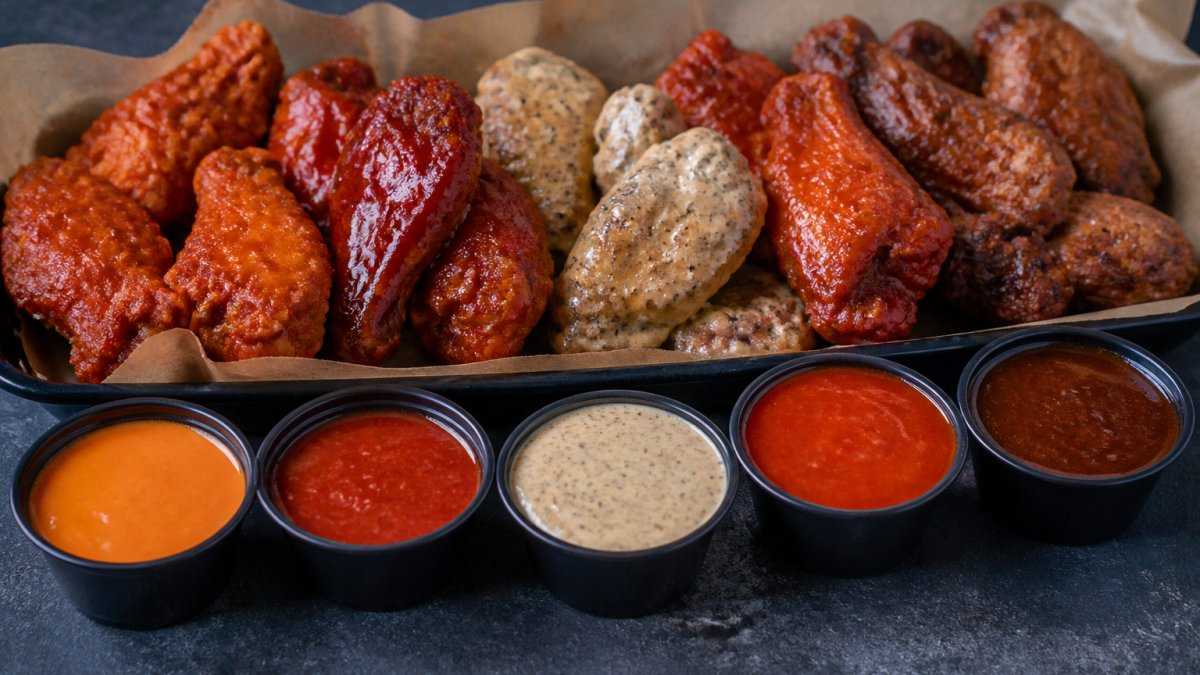
The best sauces for hot chicken do two jobs at once: they carry real flavor and they cool or sharpen the heat. A sauce that only burns is a gimmick. A sauce that only soothes wastes the chicken.
Lava Sauce is the signature sauce at Lava Hot Chicken, and it is designed to pair with the heat levels on the menu.
Hot Chicken Sides That Make a Plate Feel Full
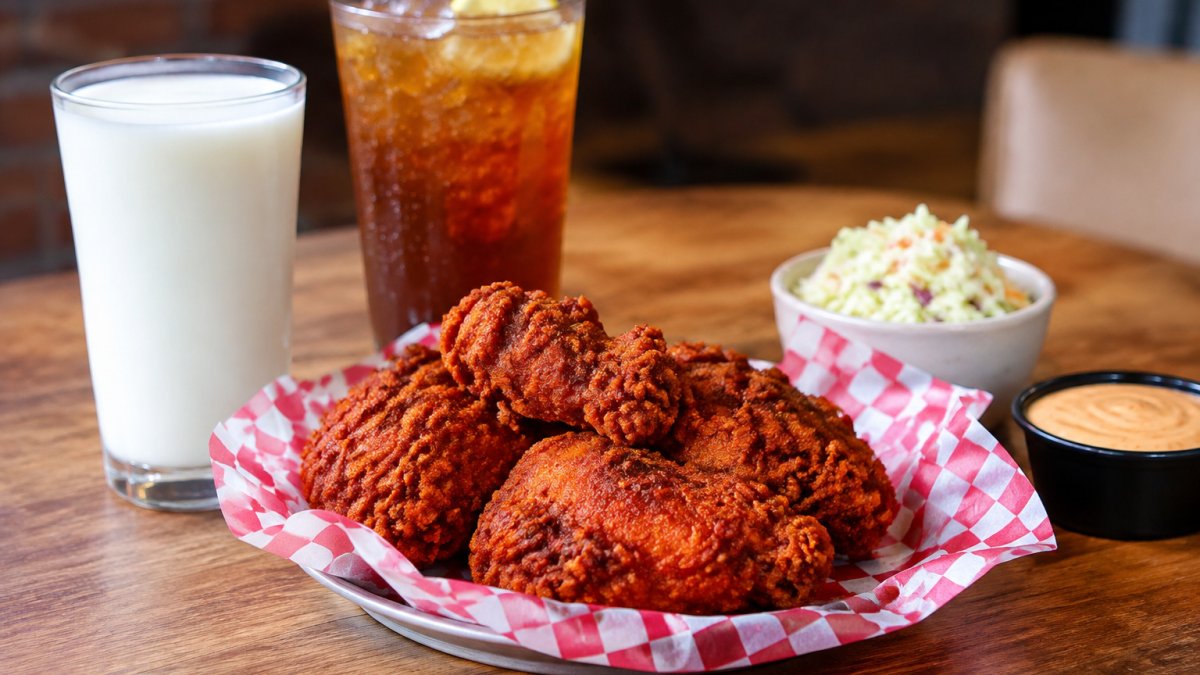
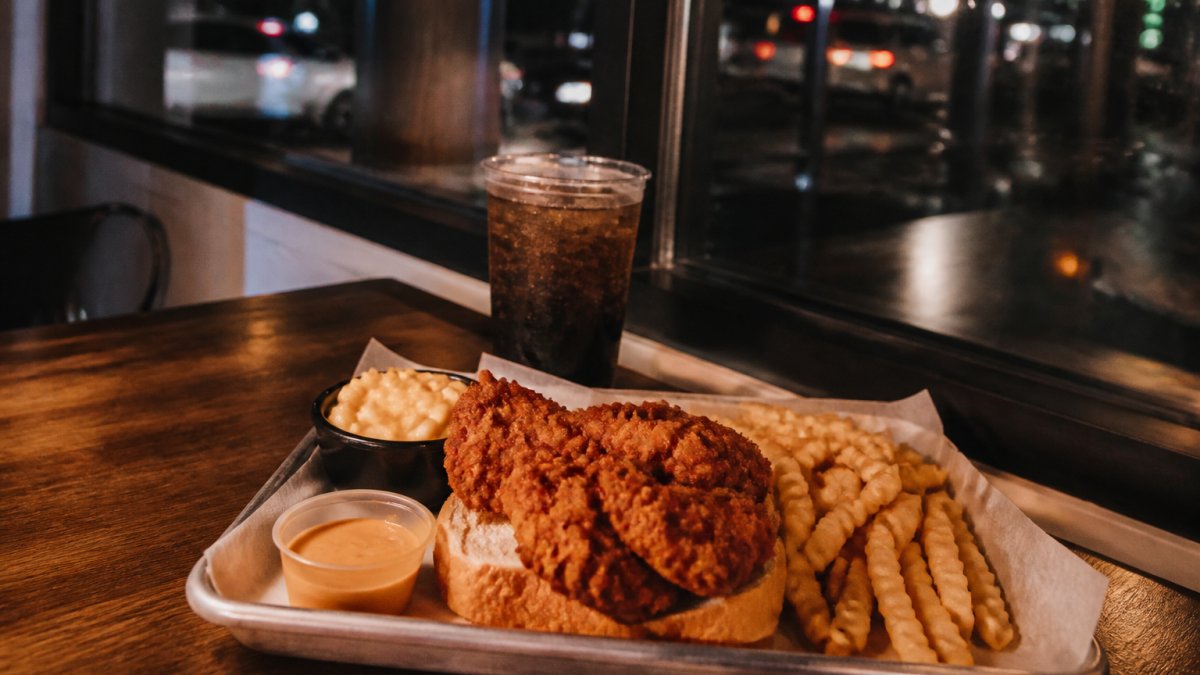
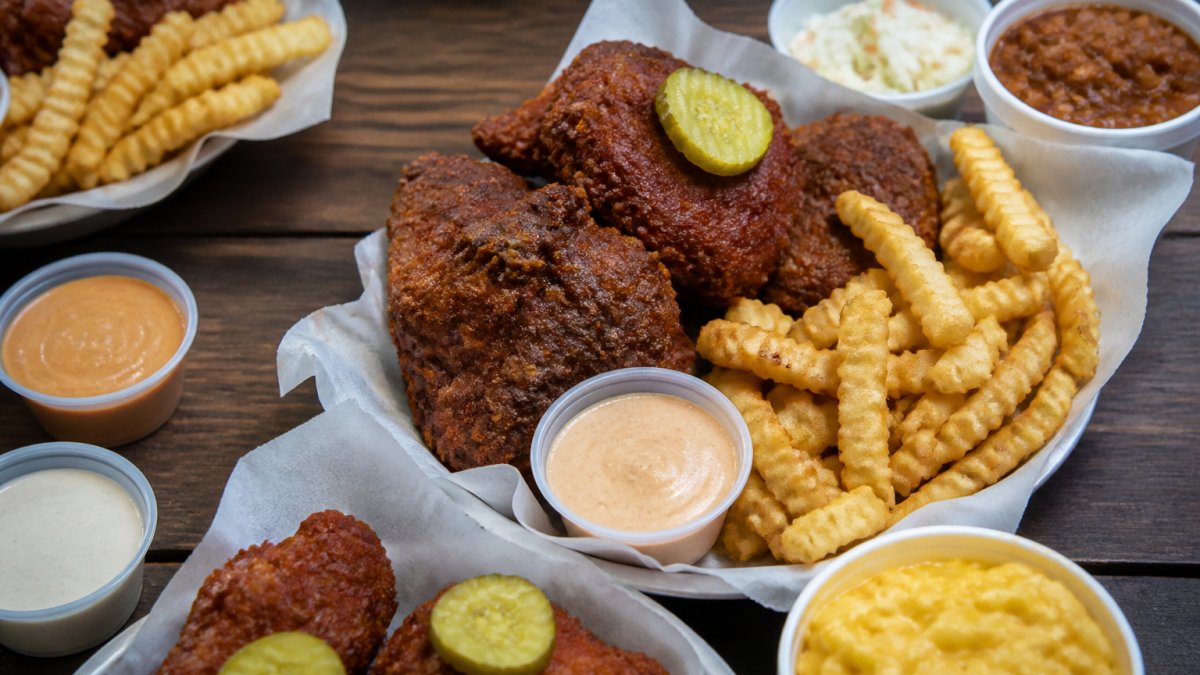
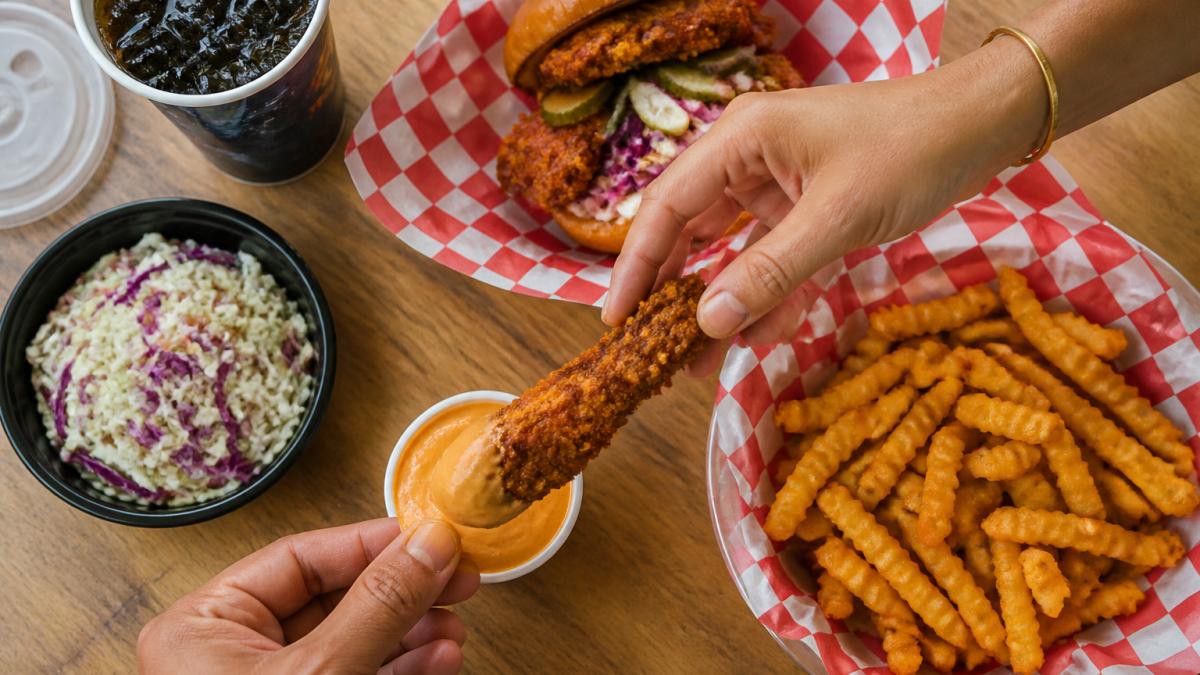
Sides decide whether a plate feels generous. Crinkle-cut fries, mac and cheese, slaw, pickles, and Texas toast each add weight, texture, and something to soak up sauce. A loaded fries plate shows how sauce and sides combine into a filling order.
Sauce-and-Side Pairings With Realistic Serving Quantities
Pairing sauces and sides comes down to matching quantities to the way people actually eat, not guessing. The same 2 oz cup is generous for one diner dipping tenders and thin for four people sharing a basket of fries. Use the dining context first, then set the quantity.
Portion guidance by dining context
- Plated meal (one person): 2 oz sauce per protein item plus 2 tbsp for the side. A slider, a tender, and a cup of slaw lands at 2 oz sauce and 2 tbsp dressing.
- Shared sides (two to four people): 2 oz sauce per two people for dipping, plus one extra 2 oz cup per shared fry order. A four-person fry basket gets 4 oz total.
- Dipping station: 1 to 2 oz per person per dip. Two dips for four people means four 1 oz cups, not two 2 oz cups, so nobody double-dips the same cup.
- Takeout: add one 2 oz cup per entree beyond the first, because sauce settles and fries absorb it in transit. A two-entree order ships with three cups, not two.
Sauce-and-side combinations with per-person quantities
| Pairing | Sauce per person | Side per person | Context | Why it works |
|---|---|---|---|---|
| Slider + fries | 2 oz Lava Sauce | 1/2 order fries | Plated | Sauce covers slider and half the fries |
| Tenders + slaw | 1 oz per tender | 1/2 cup slaw | Plated | Creamy sauce balances vinegar slaw |
| Loaded fries | 2 oz extra | 1 order shared by two | Shared | Sauce soaks into mac and cheese |
| Family spread | 2 oz per person | 1/2 order each of two sides | Shared | Counted cups scale cleanly for a crowd |
| Takeout combo | 3 oz per entree | 1 order fries | Takeout | Extra cup offsets absorption in transit |
Scaling for a crowd
The working rule is 2 oz of sauce per person plus one backup cup per shared side. For ten people, that is 20 oz of sauce, or ten 2 oz cups, plus two extra cups for the fry and slaw platters. Round up rather than down: leftover sauce stores safely, but a dry plate cannot be fixed at the table.
Watch out: doubling a recipe's sauce does not always double cleanly, because reduced sauces concentrate and emulsified sauces can break when scaled in a home pot. Mix in batches of no more than four servings at a time.
For current bundle pricing and contents, check the Lava Hot Chicken website.
How to Judge Restaurant Meal Value Before You Order
Restaurant meal value is the food you get per dollar, not the sticker price alone. A $13 plate that feeds two beats a $9 plate that leaves you hungry. The trick is to judge value before the food arrives, using the same numbers you would use to portion at home.
A three-step value check
- Count the sauce ounces. Divide total sauce ounces by the number of eaters. Under 1 oz per person means you will likely order extra; 2 oz or more per person is generous for dipping and drizzling.
- Count the side orders against the headcount. One shared side feeds about two people when sauce is involved. Two sides for four people is the baseline; one side for four is thin.
- Divide the price by the number of satisfying servings, not the number of items. A $39.00 bundle that feeds four works out to under $10 per person, which is the number to compare against a single $13.99 combo.
A customer shared this about our slider and tender combo: "The portion size for the price is amazing and two people could probably eat off of one combo."
Waste, leftovers, and make-ahead storage
Generous portions only pay off if the extras survive the night. Sauce cups that go unused should be refrigerated within two hours of serving, kept sealed, and used within a few days; creamy emulsified sauces separate when frozen, so keep them in the fridge rather than the freezer. Fries and fried sides lose their texture on reheat, so order the number of fry orders you will finish and lean on sauce-heavy sides like mac and cheese and slaw for the make-ahead portion of the meal.
A common pattern is to over-order sauce and under-order sides. Sauce is cheap to add later and easy to store; sides are the part that goes to waste. When in doubt, add a sauce cup and hold the extra side.
Visual Cues and Scaling for a Generous Portion at the Table
Visual cues beat measuring cups at the table. The Slider & Tender with Fries lists exact sauce ounces and sides as a reference for scaling. Use your hand: a thumb is about 1 tbsp of sauce, a palm is about 3 oz of protein, and a cupped hand is roughly 1 oz of fries or slaw.
Build Your Own Generous Plate at Lava Hot Chicken
Building a generous plate is a matter of counting, not guessing. Start with your heat level, add one sauce cup per two items, and pick sides that carry sauce well.
For current family meal options and what they include, check the Lava Hot Chicken website.
Frequently Asked Questions
What is the recommended portion size for sauces?
For condiments like ketchup, mustard, and mayonnaise, about 1 tablespoon is the standard measure, and portion-cup guidance puts 1-ounce cups as the common size for dipping sauces. Dressings, wing sauce, salsa, and queso usually need more, so 2-ounce cups are the better fit. For a generous portion at a hot chicken counter, plan on roughly 2 ounces of sauce per person if you are dipping, and ask for an extra cup if you are sharing a combo between two people.
How much sauce should come with a hot chicken meal?
A generous sauce portion size for hot chicken is enough to dip every bite, not just the first few. In practice that means at least 2 ounces per person, or one 2-ounce cup per tender-and-fries order. If you order a sandwich plus a side, a single 1-ounce cup often runs out halfway through. Ask for sauce on the side so you control the amount, and request a second cup when you split a combo.
Which sauces pair well with spicy chicken?
The best sauces for hot chicken balance heat rather than stack more on top. Creamy, emulsified options like a mayo-based house sauce or ranch cool the burn and coat the breading without soaking it. Vinegar-forward sauces with lemon juice or herbs cut through the fat of fried chicken. For a milder plate, a smooth, creamy sauce complements the chicken instead of masking it. Order one creamy sauce and one bright, tangy sauce so each bite stays flavorful.
How many sides should you order with hot chicken?
One side per person is the baseline for a filling meal, and two if you skipped the sandwich. Crinkle-cut fries, slaw, and a dip cover the crunch, acid, and cream that hot chicken needs. For a family sharing a few combos, order one side per entree plus one extra for the table. Generous hot chicken sides should fill roughly half the plate, so if the fries look like a garnish, add another side.
Should sauce be served on the side or on the chicken?
On the side gives you control. Sauce poured over fried chicken sits against the breading and turns it soft within minutes, especially in a takeout container where steam builds up. A portion cup keeps the crust intact and lets you add a little or a lot per bite. Ask for sauce on the side, dip as you eat, and use any leftover sauce for the fries. It also makes it easier to share a combo without arguing over heat levels.
Sauce and sides are where a hot chicken plate succeeds or fails, and guessing gets expensive. Lava Hot Chicken takes the guesswork out with Halal-certified chicken, five distinct spice levels from No Spice to Fire, and signature Lava Sauce portioned in clear 2 oz cups alongside crinkle-cut fries and comfort-food sides. Get started with Lava Hot Chicken and build a plate where the sauce, the sides, and the heat all pull their weight.