 blog
Generous Portion Sizes for Hot Chicken Restaurants
Table of Contents
- What Counts as a Generous Portion at a Hot Chicken Restaurant
- How to Judge Restaurant Chicken Serving Size Before You Order
- What a Hot Chicken Combo Meal Should Actually Include
- Chicken Sandwich, Tenders, and Wings: Portion Size by Cut
- Measuring Hot Chicken Meal Value Beyond the Price Tag
- Heat Levels, Sides, and Dietary Details That Shape the Meal
- Conclusion
- Frequently Asked Questions
Last Updated: October 7, 2026
What Counts as a Generous Portion at a Hot Chicken Restaurant
A generous portion at a hot chicken restaurant is one where a single combo feeds one hungry adult with food left over, not one where the tray simply looks full. At Lava Hot Chicken, generous portion sizes for hot chicken restaurants are the difference between a meal you finish and a meal that finishes you.
Most customers judge a plate by sight. That instinct fails with fried chicken, where breading and a wide basket can disguise a small piece of meat.
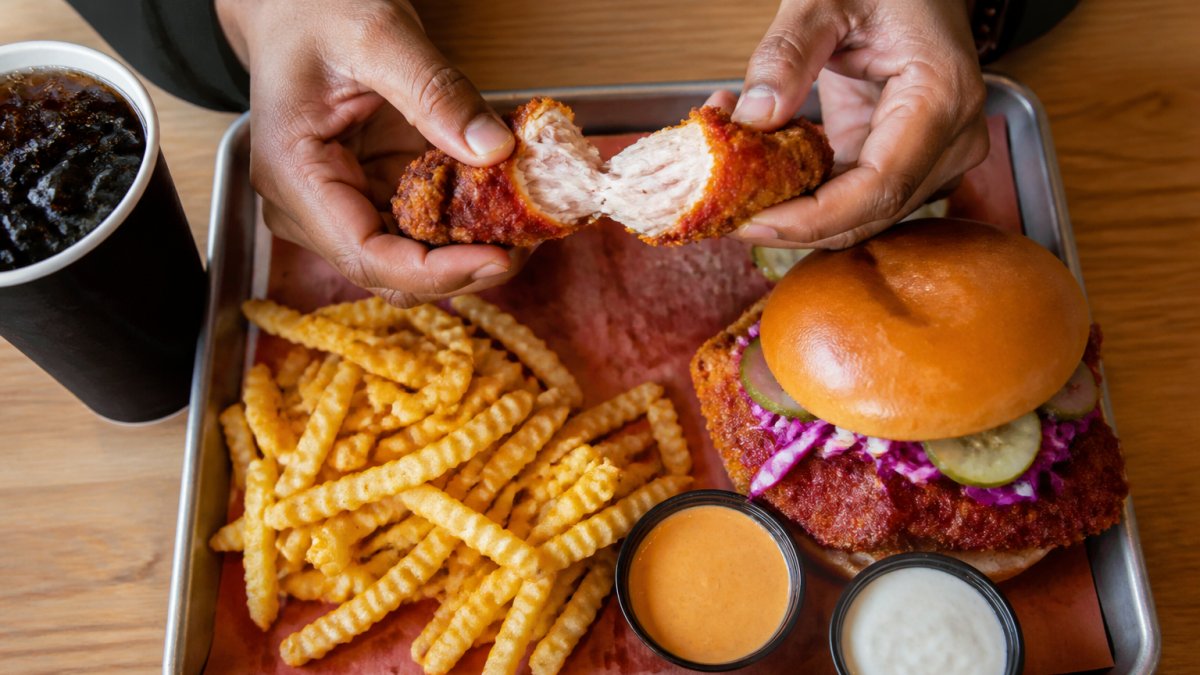
Why Serving Size Varies So Much Between Kitchens
Chicken is sold and prepped by cut, not by a fixed weight per order.
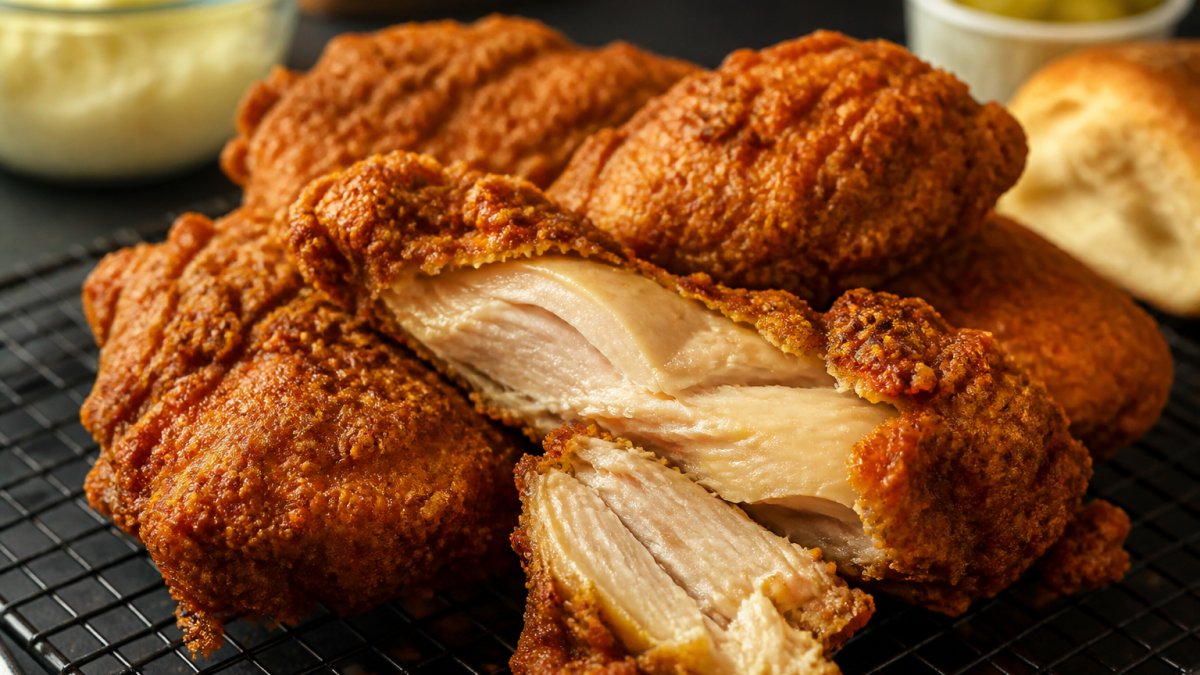
Prep method matters too: hand-breaded, double-dredged chicken absorbs more coating and holds more moisture, so each piece eats heavier than a thin single-dredge piece of the same size.
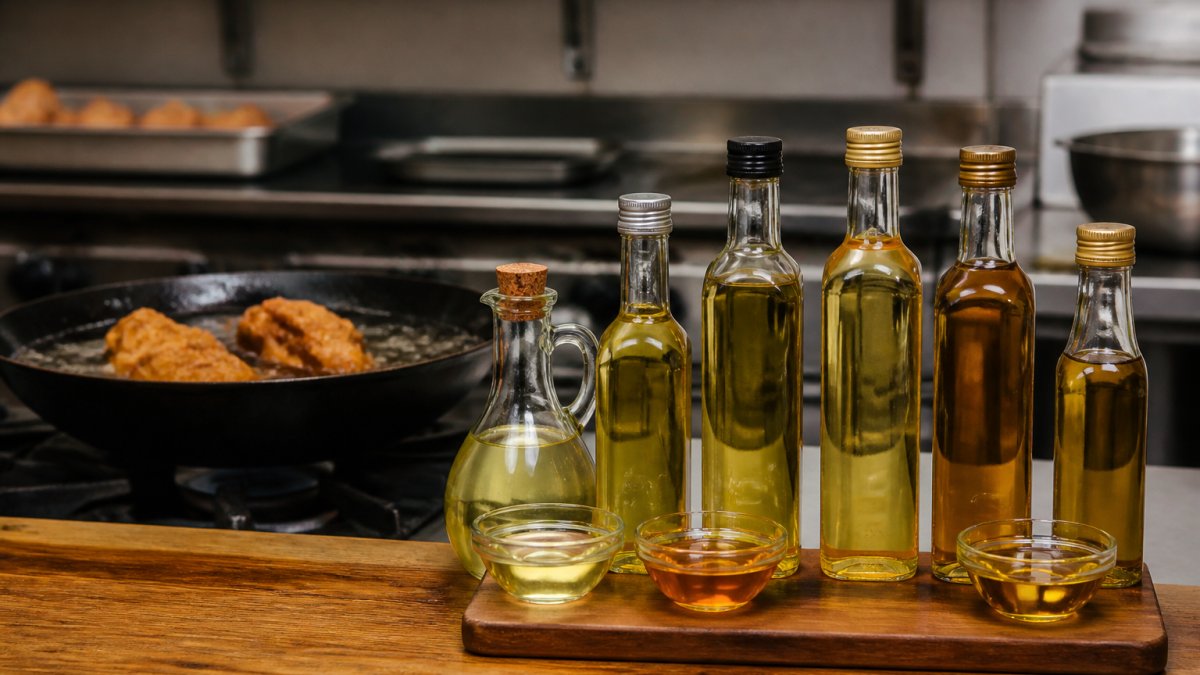
Cooking fat plays a role too. Chicken fried in beef tallow, the traditional fat for this style, stays juicy rather than drying out, so a modest-looking piece delivers more satisfying bites, one reason portion perception and portion reality often disagree.
How to Judge Restaurant Chicken Serving Size Before You Order
You can estimate restaurant chicken serving size before you walk in by checking three things: the number and type of pieces in each combo, whether fries and a drink are included, and what recent diners say about how full they felt afterward.
Start with the menu structure. A combo that lists "tenders" without a count is a warning sign; one that says "3 tenders, fries, drink" tells you exactly what you are buying.
Then read the piece type. Dark meat cuts like thighs run larger and richer than wings, while breasts run leaner but can be bigger by volume.
Reading Reviews for Portion Feedback
Recent reviews are the most reliable public signal of real serving size, but only if you read them correctly.
A common mistake is trusting a five-star review that praises flavor but says nothing about quantity. Flavor and portion are separate qualities, and a restaurant can nail one while skimping on the other.
What most guides miss is that portion feedback ages fast. A review from two years ago may describe a menu that no longer exists.
What a Hot Chicken Combo Meal Should Actually Include
A fair hot chicken combo meal includes a main protein, a full side of fries, a drink, and at least one sauce, all for one price. If any of those is missing or sold separately, the combo is not really a combo, it is a sandwich with add-ons.
Here is how to break down what a combo should contain:
- Main protein: one sandwich, or a set number of tenders or wings, stated clearly on the menu
- Side: a full portion of fries, not a small cup
- Pickles or slaw: standard on most hot chicken sandwiches, worth confirming
The strongest sign of value is whether one combo can feed two people. When a combo is built to share, the price per person drops sharply, changing the whole math of the meal.
Chicken Sandwich, Tenders, and Wings: Portion Size by Cut
Portion size by cut is the most overlooked factor in judging hot chicken value. A sandwich, a tender order and a wing order can all cost the same and deliver wildly different amounts of food, because the cuts differ in meat yield. The fix is to compare them on the same scale.
A Consistent Way to Measure a Hot Chicken Portion
Use three measures every time, so any two menu items can be lined up side by side:
- Item count: how many pieces, tenders, or wings are actually in the order
- Approximate cooked weight: the edible meat weight after breading, not the basket weight
- Meal completeness: whether a full side, a drink, and at least one sauce are included at one price
Weights are estimates, not lab numbers. In commercial kitchens, a full sandwich breast, a single tender, and a single wing piece (flat or drumette) all have different approximate cooked weights. Treat those as working ranges, not guarantees, and confirm with the restaurant when the number matters.
Sandwich, Tenders, and Wings Compared
Chicken sandwich: Usually the largest single item on the menu.
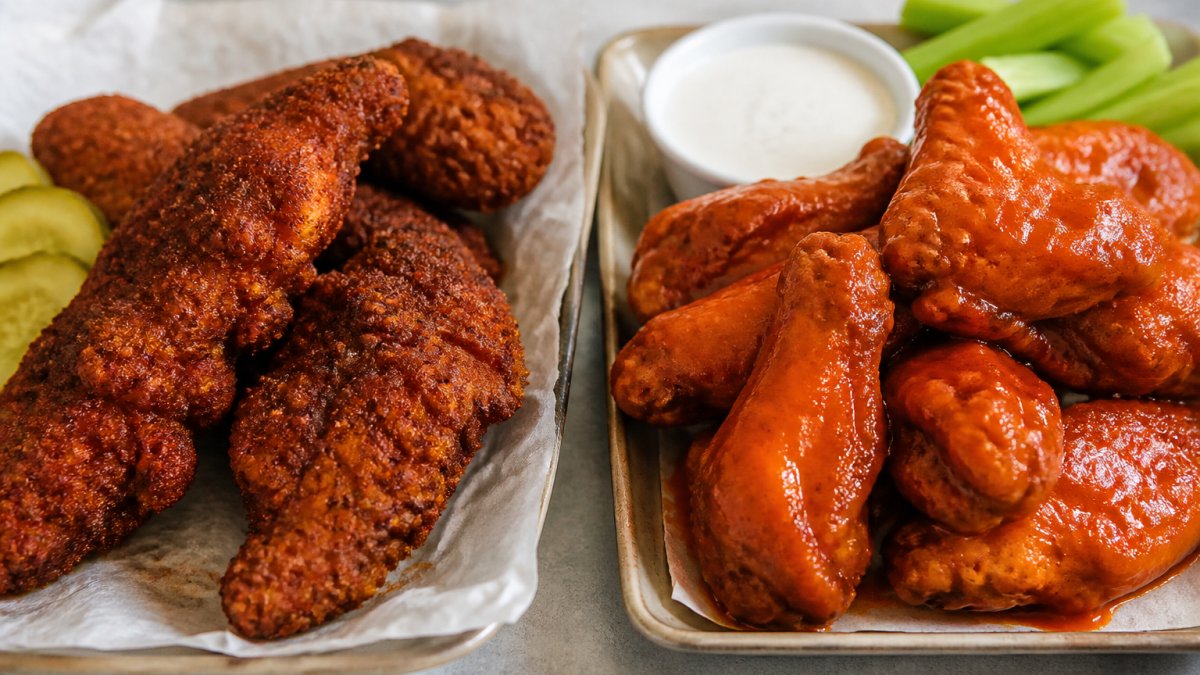
Tenders: Ordered by count, so the number tells you a lot. Tenders are the most consistent cut because each is a defined strip of meat.
Wings: The smallest individual pieces by edible meat, which is why wing orders run in higher counts.
| Cut | Typical Item Count in a Combo | Approximate Cooked Meat per Piece | Best For | Watch Out For |
|---|---|---|---|---|
| Sandwich | 1 breast | Roughly 5-8 oz | One full meal | Thin breast hidden by toppings |
| Tenders | 3-5 strips | Roughly 1-2 oz each | Predictable portions | Count not listed on menu |
| Wings | 6-10 pieces | Roughly 1-2 oz each, bone-in | Variety and snacking | High count needed to fill up |
That table explains a lot of menu confusion.
Why the Same Cut Varies Between Kitchens
Even within one cut, yield moves. Hand-breaded, double-dredged chicken absorbs more coating, which adds perceived volume but not meat, and trimming practices differ, so one kitchen's breast may be butterflied thinner than another's. That is why item count alone is a weak measure and count plus approximate weight is a strong one.
Measuring Hot Chicken Meal Value Beyond the Price Tag
Hot chicken meal value comes down to cost per filling bite, not the number on the menu board. A slightly higher-priced combo that feeds two people beats a cheap combo that leaves you ordering a second meal an hour later, and value can be calculated, not just felt.
Two Calculations That Settle Most Arguments
Price per piece. Divide the combo price by the number of chicken pieces. A combo with more tenders may offer a better buy per piece, before you even count the side.
Price per approximate ounce. Divide the combo price by the estimated cooked meat weight.
Run both calculations, then apply the completeness test below. The cheapest headline price rarely wins once all three are on the table.
The Completeness Test
A combo only counts as a combo if the volume is actually included:
- Main protein: one sandwich, or a stated number of tenders or wings
- Side: a full portion of fries, not a small cup
- Drink: included, not an upsell
Every item sold separately is a hidden price increase. A sandwich plus a side plus a drink should be compared against an all-in combo.
Match the Portion to the Eater
Value is personal: a light eater and a hungry teenager will score the same combo very differently. Match the portion to your own appetite, then compare price:
- Light eater: one sandwich combo is usually a full meal with leftovers
- Average adult: a 3-tender or sandwich combo with a full side is a complete meal
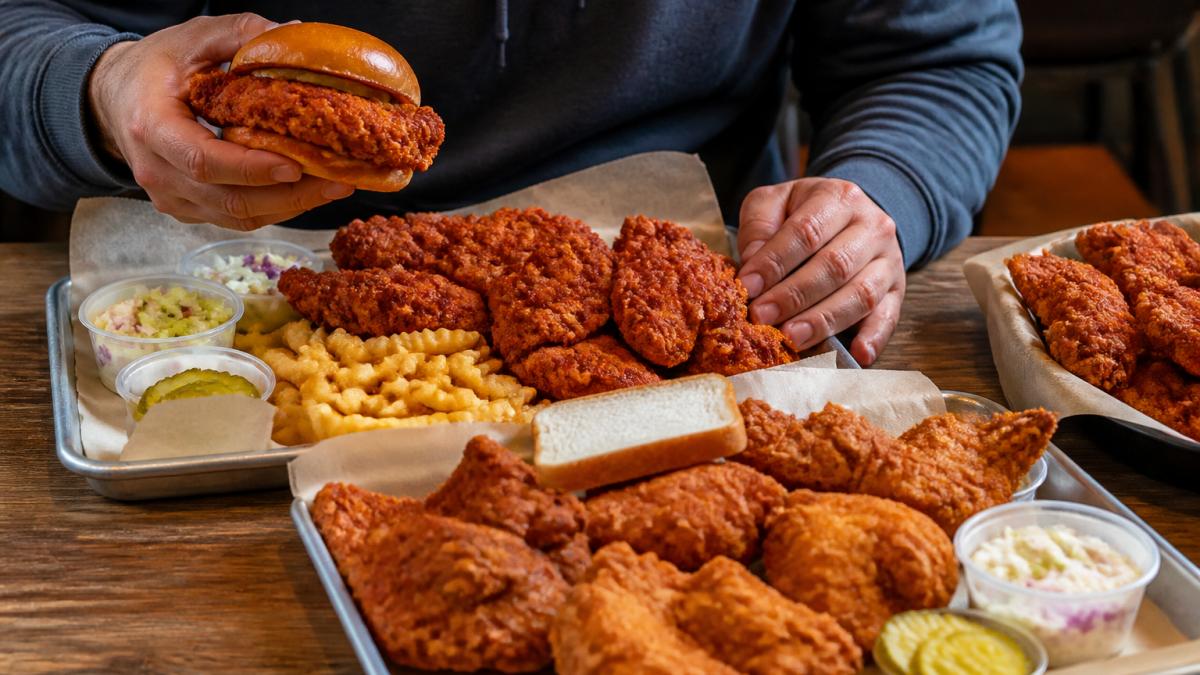
- Hungry adult or two light eaters: a 5-tender combo or a sandwich plus a side is the shareable tier
Run those questions against a menu and the cheaper option often stops looking cheap, the portion-to-price trade-off most comparisons ignore when they rank restaurants by headline price alone.
Why Review-Based Value Claims Are Unreliable
Most reviews rank value by feeling, not math. A five-star review that praises flavor but says nothing about quantity tells you nothing about portion, and portion feedback ages fast. Filter for the last few months, look for repeat mentions of the same combo, and treat any single glowing post as one data point rather than a verdict.
Heat Levels, Sides, and Dietary Details That Shape the Meal
Heat level, sides and dietary details change how filling a meal feels and whether you can even order it.
Heat is a spectrum, not a switch.
Sides add real volume. Crinkle-cut fries, slaw and pickles fill out a tray and stretch a meal, which is why combos with a full side feel more generous than a bare sandwich.
Dietary details matter just as much as portion size for many diners:
- Halal certification: For Muslim diners, verified Halal certification is non-negotiable. Ask how the restaurant certifies, not just whether it claims to.
- Cooking fat: Chicken fried in beef tallow is a meaningful option for people managing peanut allergies, since it avoids peanut oil entirely.
- Allergen handling: Separate fryers and clear ingredient lists reduce cross-contamination risk.
For anyone weighing these factors, portion size is only half the decision. A huge plate you cannot safely eat is worth nothing.
Conclusion
Judging generous portion sizes for hot chicken restaurants is a skill, and the menu rarely does it for you. The real test is whether one combo feeds two people, whether the cut matches your appetite, and whether the sides and drink are included.
At Lava Hot Chicken, we build our combos around that idea. Our hand-prepped, double-dredged chicken is fried in beef tallow, our Halal-certified kitchen serves five distinct spice levels from No Spice to Fire, and every combo comes with crinkle-cut fries and our signature Lava Sauce.
If you want a meal that actually fills the tray and the table, get started with Lava Hot Chicken and climb the heat ladder at your own pace.
Frequently Asked Questions
What is a typical portion size for chicken at a hot chicken restaurant?
Most hot chicken spots serve tenders in counts of three to five per order, wings by the piece or in packs of six to twelve, and sandwiches built on one large thigh or breast fillet. A filling solo meal usually means three to four tenders or a sandwich with a side. Combo meals often bundle a main, fries, and a drink, which is why many customers find one combo can feed two lighter appetites. Always check the online menu for the specific count before ordering.
How can you tell whether a restaurant portion is good value?
Compare the number of chicken pieces, the size of the side, and whether a drink is included against the total price. A meal with four tenders, a generous fry portion, and a drink generally delivers better hot chicken meal value than a sandwich alone at a similar price. Customer reviews that mention portion feedback, like 'two people could eat off one combo,' are useful signals. Look for recent reviews with photos, since they show actual serving sizes rather than marketing shots.
Are hot chicken restaurant portions large enough to share?
It depends on the order. A single sandwich or three-tender plate is usually a solo meal. Larger combos with four or more tenders, a full fry basket, and sides can comfortably feed two people, especially if you add an extra side. Many customers report that one combo with fries and a drink was enough for two. If your group has different heat tolerances, ordering a shareable combo and adding a no-spice item for kids keeps the meal simple.
What sides usually come with a hot chicken meal?
Crinkle-cut fries are the most common side, followed by slaw, pickles, mac and cheese, and toast. Combo meals typically include fries and a drink, with slaw or pickles as add-ons. Some restaurants offer a limited menu where sides rotate. If you are feeding a family, ordering two or three sides alongside a tender or wing combo stretches the meal further. Check the online menu for current side dishes and availability at your nearest location.