 blog
What Makes Fried Chicken Fresh, Juicy, and Flavorful
Last Updated: November 1, 2026
Quick Summary
Fresh, juicy fried chicken starts with chicken that was never frozen, soaked in a salt-based brine or buttermilk, coated to seal quickly, and fried in oil hot enough to set the crust before moisture escapes. At Lava Hot Chicken, we build every plate around that handling and timing, because heat without moisture is just pain.
- Freezing ruptures muscle cells, so never-frozen chicken gives a drier bite and a crust that separates.
- Buttermilk's acid tenderizes surface proteins while its thickness helps flour and breading adhere.
- Refrigerated raw poultry should arrive at or below 41°F (5°C), or it goes back on the truck.
- Fresh raw chicken belongs at 41°F or below, on the bottom shelf, with a two-to-three-day usable window.
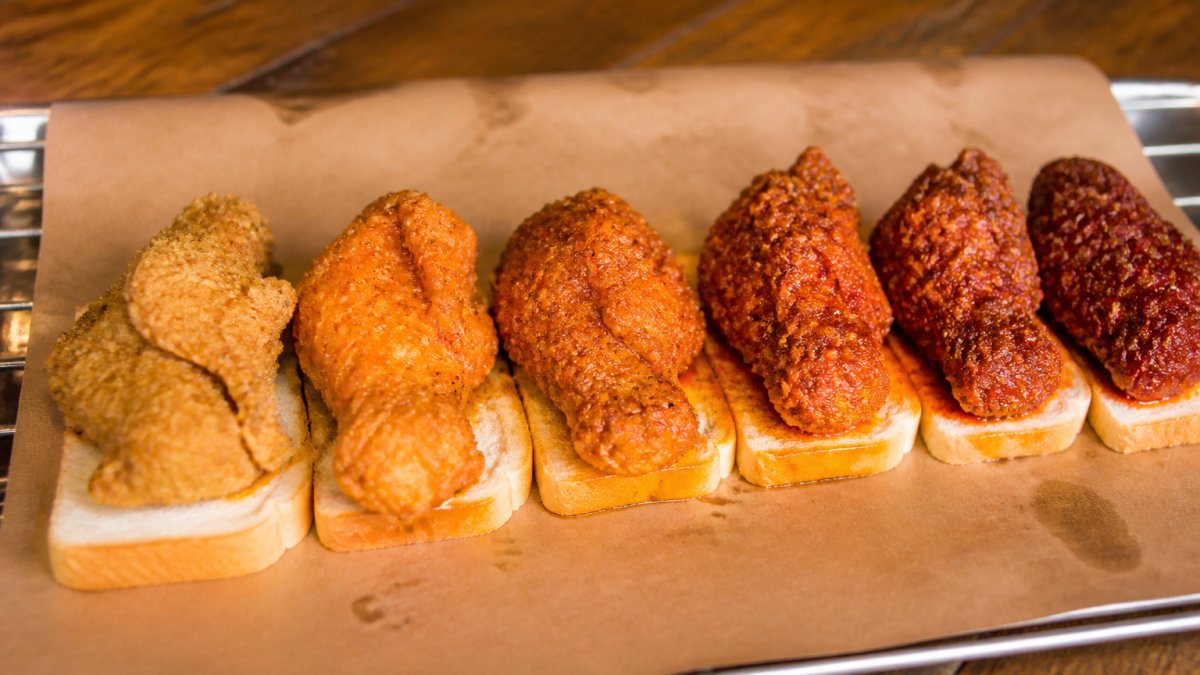
- Our five spice levels run from No Spice to Fire so every tolerance can share one table.
Table of Contents
- Why Fresh Fried Chicken Beats Frozen Every Time
- The Science of Juicy Fried Chicken: Brine, Buttermilk, and Timing
- How Hot Chicken Spice Levels Shape Flavor, Not Just Heat
- Peanut Allergy Fryer Safety: What to Ask Before You Order
- Shared Fryer Cross-Contact: Why Oil Matters as Much as Batter
- Restaurant Sourcing and Cold-Chain Handling That Protect Quality
- Comparing Fried Chicken Styles: Which Cut and Coating Fit Your Craving
- Choosing Your Heat Level at Lava Hot Chicken
- Frequently Asked Questions
Why Fresh Fried Chicken Beats Frozen Every Time
Chicken was the fastest-growing restaurant segment in the 2026 Datassential 500, expanding at a 4.4% annual rate in 2025 with sales up 4.2% to $55.24 billion, according to Datassential's restaurant-segment growth report. That growth puts pressure on every kitchen to answer one question well: what separates fresh, juicy, and flavorful chicken for fried chicken restaurants from the frozen, dry version too many places serve? At Lava Hot Chicken, we build every plate around that answer, because heat without moisture is just pain.
Freshness is not a marketing word. It is a handling decision made before the chicken ever hits the fryer.
What Freshness Actually Means on a Restaurant Menu
Fresh fried chicken means the bird was never frozen before breading and frying. That distinction matters because freezing ruptures muscle cells, and ruptured cells release water during cooking. The result is a drier bite and a crust that separates from the meat.
How to Tell If Fried Chicken Was Freshly Prepared
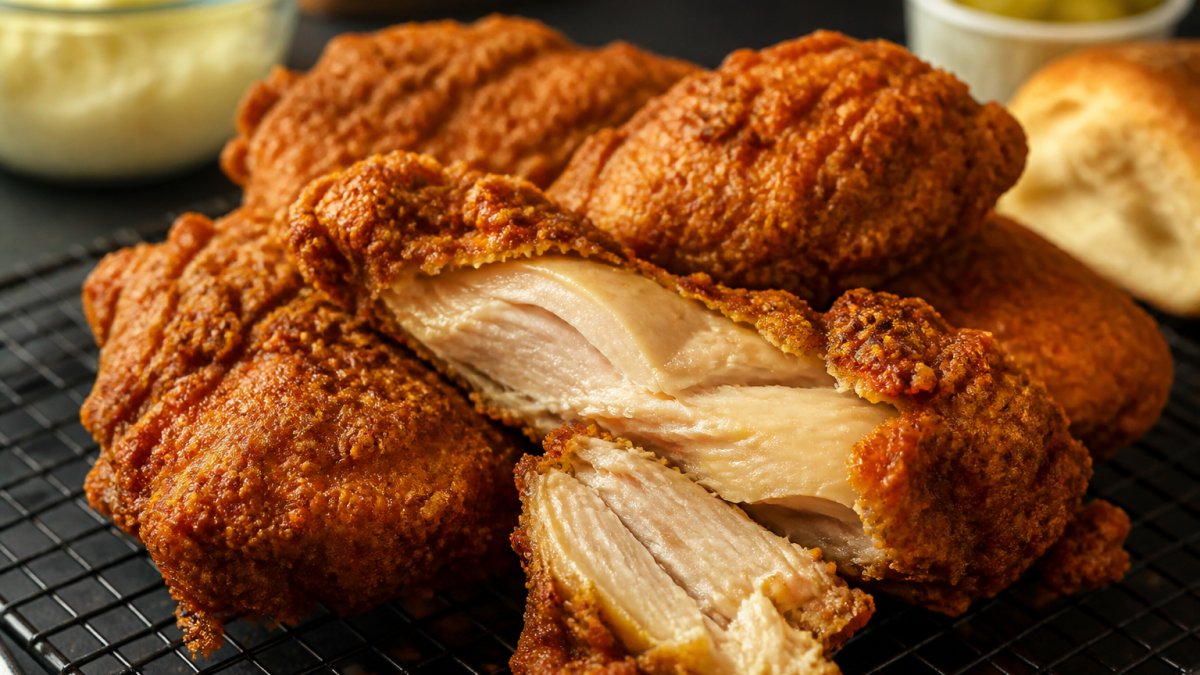
Look for three things: a crust that clings to the meat instead of sliding off, visible juice when you pull the piece apart, and a clean, not muddy, flavor in the breading. A dry interior with a greasy exterior usually means the oil was too cool or the chicken sat too long before frying.
The Science of Juicy Fried Chicken: Brine, Buttermilk, and Timing
Moisture in juicy fried chicken comes from three levers: a salt-based brine or buttermilk soak, a coating that seals quickly, and oil hot enough to set the crust before water escapes. Peer-reviewed research on pressure frying and battered chicken examined how frying method affects quality characteristics and oil uptake, underscoring that technique, not just seasoning, drives the final texture.
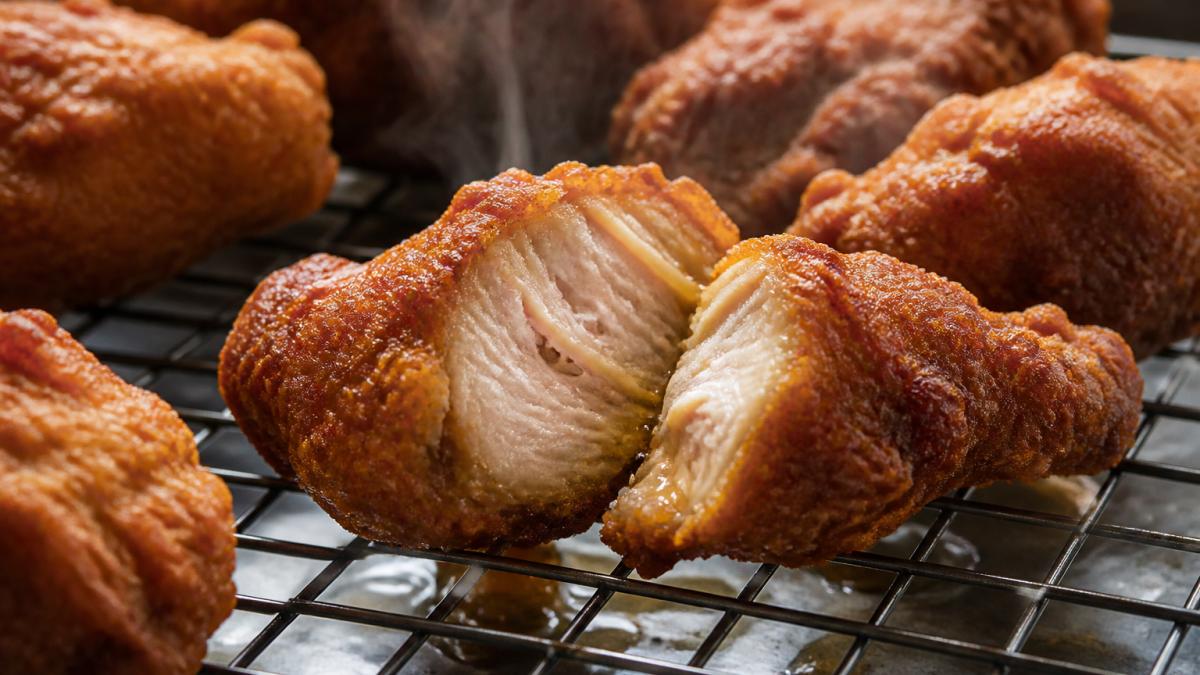
Buttermilk does double duty. Its acid tenderizes the surface proteins while its thickness helps the flour and breading adhere. Timing matters just as much: soak too long and the texture turns mushy, fry too early after breading and the coating steams instead of crisping. The window between dredge and fryer is where good chicken is won or lost.
How Hot Chicken Spice Levels Shape Flavor, Not Just Heat
Heat is a flavor layer, not a punishment. A well-built hot chicken spice blend stacks cayenne pepper, garlic powder, and a touch of sugar so the burn arrives with taste behind it. That is why the best hot chicken menus offer a ladder of heat levels rather than a single wall of fire.
At Lava Hot Chicken, our five distinct spice levels run from No Spice to pure Fire, so a flavor-first diner and a chili-headed regular can share the same table. Brisan Group's fried chicken consumer research found that consumers rated breast the most popular fried-chicken cut, describing it as flavorful, tender, and juicy, proof that flavor, not just heat, drives repeat orders.
Peanut Allergy Fryer Safety: What to Ask Before You Order
Peanut allergy fryer safety comes down to one question: does the kitchen fry in a dedicated oil that never touches peanut products? Shared fryers are the most common source of cross-contact in fried chicken restaurants, and a reaction can happen from trace oil alone.
Reading a Restaurant's Allergen Protocol
Ask directly whether the fryer oil is dedicated and whether the batter or breading contains nut ingredients. A kitchen that can answer clearly, without hesitation, is a kitchen that tracks its supply chain. If staff cannot name the oil or the protocol, treat that as your answer. EXTERNAL_LINK: 20 Pc Boneless Wings are fried in beef tallow, a render that carries no peanut risk on its own, which is one reason diners managing allergies ask about the fat before the flour.
Shared Fryer Cross-Contact: Why Oil Matters as Much as Batter
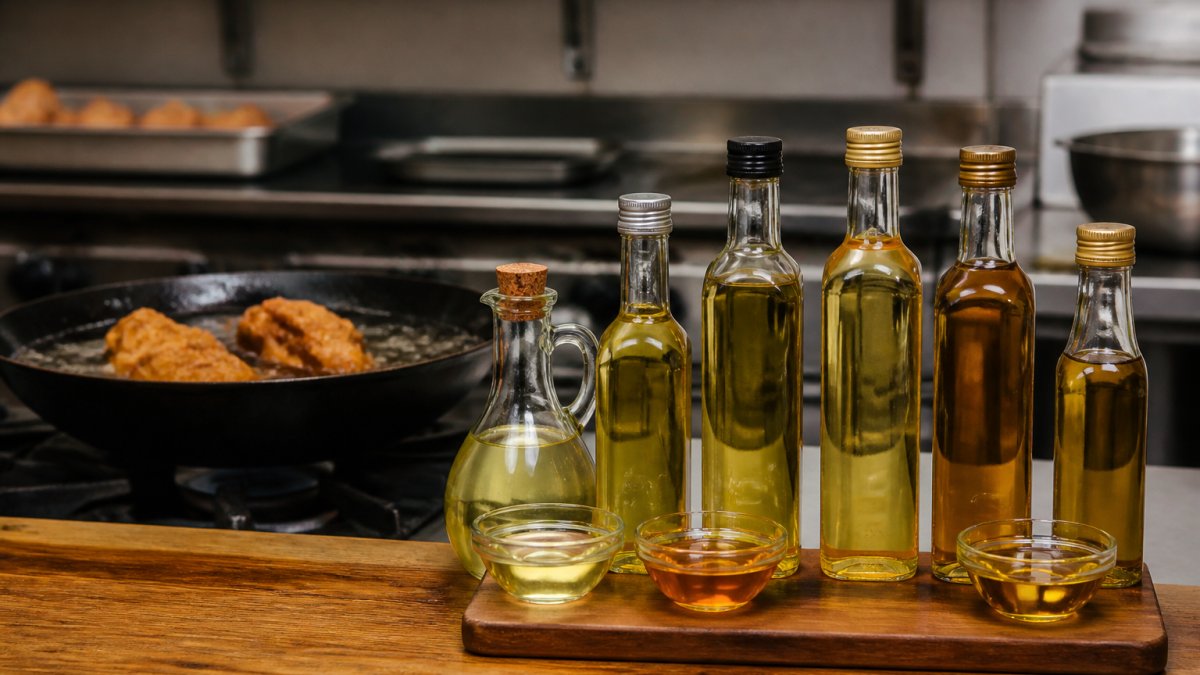
Shared fryer cross-contact happens when one vat fries breaded chicken, then onion rings, then a peanut-coated item, and the oil carries residue from one batch to the next. The batter gets the blame, but the oil is often the real culprit. A dedicated fryer and a single frying fat remove that variable entirely.
Beef tallow is our answer. It holds heat steadily, produces a crunchy exterior without a greasy finish, and keeps the flavor clean. EXTERNAL_LINK: 20 Pc Wings are fried in beef tallow for exactly this reason: the frying medium is part of the recipe, not an afterthought.
Restaurant Sourcing and Cold-Chain Handling That Protect Quality
Quality starts at the supplier, not the fryer. If you share that standard, you can explore franchise opportunities with Lava Hot Chicken.
Receiving: The First Fifteen Minutes Decide the Plate
A workable receiving protocol is short enough that a line cook can run it during a Friday delivery rush:
- Temperature check on every case. Refrigerated raw poultry should arrive at or below 41°F (5°C); anything warmer goes back on the truck. Use a calibrated probe thermometer, not the truck's readout.
- Reject frozen or partially frozen product if the spec calls for fresh. Ice crystals, frozen corners, or a hard center mean the case was temperature-abused somewhere upstream.
- Check the sell-by and pack dates against your rotation window. Fresh chicken has a short shelf life, and a case that arrives with three days left is a case you will either waste or rush.
- Inspect packaging and purge. Leaking bags, excessive purge in the tray, or a dull, grayish surface are rejection signals, they point to temperature swings or age.
- Log it. Date, time, supplier, product code, temperature, and receiver initials. A log is what lets you hold a supplier accountable and trace a problem batch.
Storage: Hold It Cold, Hold It Short
Fresh raw chicken belongs at 41°F or below, stored on the bottom shelf of the walk-in so drips cannot contaminate ready-to-eat food. Keep it in its original packaging or a covered container, and label every case with the receive date. A common restaurant pattern is a two-to-three-day usable window for fresh product after receipt, with first-in-first-out rotation enforced by the label, not by memory. Anything approaching the window gets prioritized on the prep list or moved to a cooked application, never quietly held past its date.
Thawing: Never at Room Temperature
If you buy frozen or freeze on-site, thaw under refrigeration at 41°F or below, under cold running water in a sealed bag, or as part of cooking, never on a prep counter. Refrigerator thawing is the safest and most predictable for batch planning, but it is slow: plan roughly a day per few pounds of product, and never refreeze thawed chicken. Refreezing is where the muscle-cell damage that drys out fried chicken actually happens, so the thaw rule is also a juiciness rule.
Rotation and Cross-Contamination
Color-coded labels and a dedicated raw-prep area keep fresh chicken from becoming a food-safety problem. Separate cutting boards, knives, and gloves for raw poultry; sanitize between tasks; and never let raw chicken contact the breading station's finished-product side. The cold chain and the prep line are one system, a perfect 41°F walk-in does nothing if the dredge station sits next to the salad prep.
Comparing Fried Chicken Styles: Which Cut and Coating Fit Your Craving
Different cuts and coatings deliver different eating experiences. Here is how the common styles stack up:
| Style | Cut | Coating | Texture | Best For |
|---|---|---|---|---|
| Classic hot chicken | Thigh or breast | Double-dredged flour | Crispy exterior, moist interior | Heat seekers |
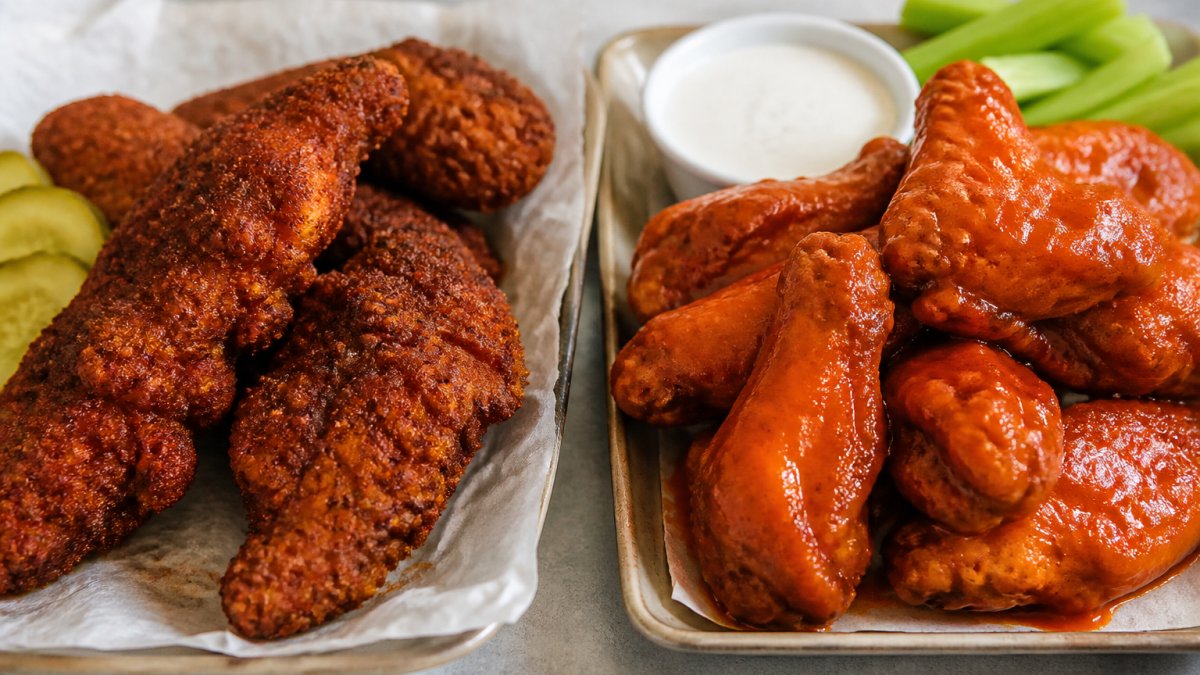
| Tenders | Breast strip | Buttermilk and flour | Tender, crunchy | Snacking, kids |
| Wings | Wing sections | Light dredge | Crispy skin, juicy meat | Sharing |
| Sandwich | Thigh | Coarse breading | Crunchy, saucy | Full meal |
Our hand-prepped, double-dredged chicken is paired with signature Lava Sauce and crinkle-cut fries. You can also order a single tender to compare cuts and coatings for yourself. Check our website for the full menu.
Choosing Your Heat Level at Lava Hot Chicken
The right heat level is the one you will actually finish. Start one step below your instinct, taste, then climb. Our five levels exist so a family with different tolerances can order one meal without compromise: No Spice for the kid, Fire for you, and everything in between.
Real customers tell us the portion size is generous, and that the chicken is juicy and flavorful. Our five spice levels let you choose the heat you control.
Frequently Asked Questions
What cuts of chicken do fried chicken restaurants use?
Most fried chicken restaurants use a mix of dark and white meat: thighs, drumsticks, wings, and breast. Dark meat cuts like thighs and legs hold up better to high-heat frying because their fat content keeps them moist. Many restaurants also offer tenders, which are white meat strips that cook faster and absorb breading well. The cut you choose affects both texture and how well the coating stays crisp.
How can you tell if fried chicken is freshly prepared?
Fresh fried chicken usually has a crust that shatters when you bite it, visible steam when you pull the pieces apart, and juice that runs clear rather than pink. Ask the counter staff how often they fry in small batches. Restaurants that hold cooked chicken under heat lamps for long periods produce soggy breading and dry meat. A freshly fried piece should feel hot throughout, not warm at the edges and cool in the center. At Lava Hot Chicken, chicken is hand-prepped and double-dredged.
What should you ask a restaurant about peanut allergy and shared fryers?
Ask directly whether the fryer oil is shared with any peanut-containing products, and whether the restaurant uses peanut oil at all. Request the allergen protocol in writing if the staff cannot answer clearly. Some restaurants fry in beef tallow, which removes peanut oil from the equation entirely and reduces shared fryer cross-contact risk. If you have a severe allergy, confirm that separate equipment, utensils, and prep surfaces are used. No restaurant can guarantee zero risk, but a clear, specific answer about oil type and fryer separation tells you how seriously they treat allergy safety.
How do spice levels affect the flavor of hot chicken?
Spice levels change more than heat. At lower levels, you taste the breading, the brine, and the chicken itself. As heat climbs, capsaicin in cayenne pepper and hot sauce begins to mask subtle flavors, so the sauce needs salt, garlic powder, and acid to stay balanced. Well-made hot chicken builds heat in layers so the chicken still tastes like chicken. At Lava Hot Chicken, five spice levels range from No Spice to Fire, letting you pick a heat that complements the flavor instead of burying it.
Ready to climb the heat ladder? Lava Hot Chicken serves Halal-certified hot chicken with five distinct spice levels, hand-prepped and double-dredged for that crispy exterior and moist interior, plus our signature Lava Sauce. Find us in Rowlett and Plano, and get directions to build your own heat level today.