 blog
Hot Chicken Heat Levels: Choose Your Spice
Table of Contents
- Understanding Hot Chicken Heat Levels
- Is a Spicy Chicken Sandwich Hotter Than Buffalo Chicken
- Hot Chicken Sauces and Flavor Profiles
- Sides for Spicy Chicken That Complement Heat
- Matching Heat Levels to Your Palate and Tolerance
- Customizing Your Heat: Practical Tips for Every Meal
- Frequently Asked Questions
Last Updated: October 11, 2026
Understanding Hot Chicken Heat Levels
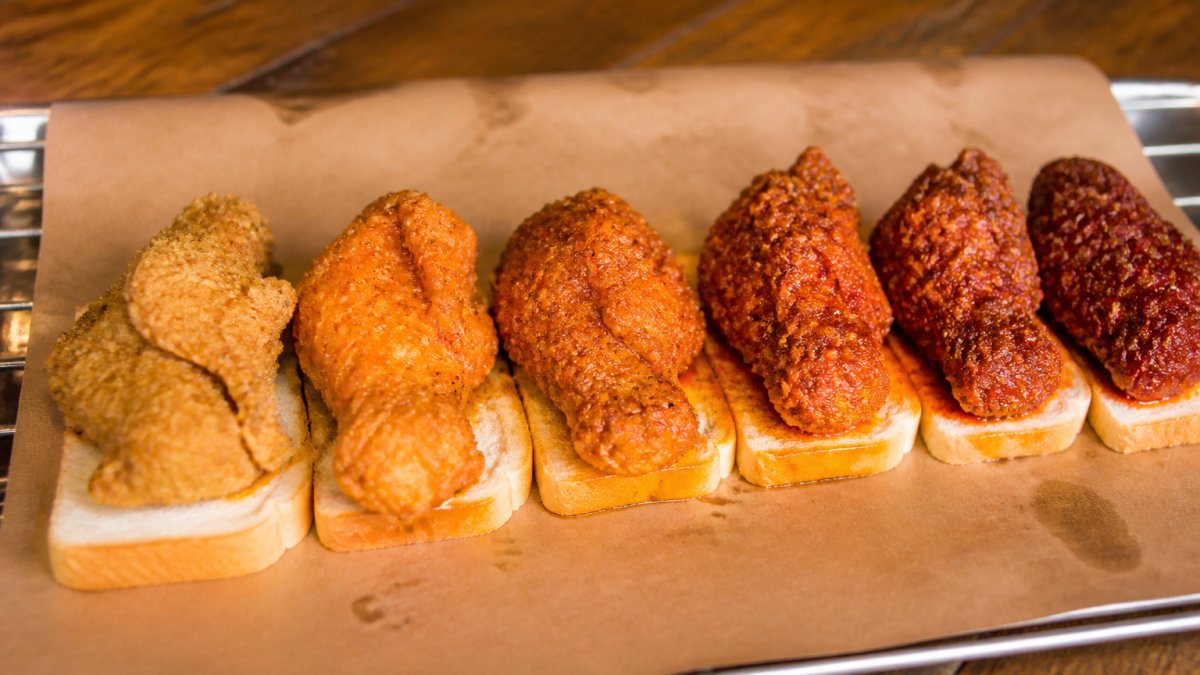
Hot chicken heat levels define your entire dining experience. Whether you're heat-averse or chili-headed, understanding the spectrum helps you find what works for your palate. At Lava Hot Chicken, we've built our menu around five distinct spice levels, from No Spice to Fire, because we know flavor comes in many forms.
Heat isn't just about fire. It's about balance. The best customizable heat levels for every palate for flavorful sauces and sides combine intensity with taste, so you're not just enduring pain, you're enjoying food. Let's break down what separates a mild sauce from an extreme one, and how to navigate the heat ladder confidently.
The Scoville Scale and What It Means
The Scoville scale measures the heat intensity of peppers and sauces. It quantifies capsaicin, the compound that creates the burning sensation, in Scoville Heat Units (SHU). A bell pepper sits at zero SHU. A jalapeño ranges from 2,500 to 8,000 SHU. Ghost peppers exceed 1 million SHU.
Understanding these numbers helps you predict what to expect. A sauce rated at 5,000 SHU will feel mild to someone accustomed to 50,000 SHU. Context matters. Your tolerance, your meal timing, and what you're pairing with the sauce all influence how heat feels on your palate.
From No Spice to Fire: The Full Spectrum
The heat spectrum ranges from completely mild to intensely hot. Here's how to think about each tier:
- No Spice: Zero heat, pure flavor. Perfect for those who want savory, bold chicken without any burn.
- Mild: A gentle warmth. You notice heat, but it doesn't linger or build. Think jalapeño-level intensity.
- Medium: Real spice that builds slightly. Your palate feels warmth, but you can still taste the sauce's complexity.
- Hot: Significant heat that commands attention. This level separates casual eaters from spice seekers.
- Fire: Extreme intensity. Only for those who've built serious heat tolerance and crave the challenge.
Most people fall into the mild-to-medium range. That's where flavor shines without overwhelming your taste buds. At Lava Hot Chicken, we craft each level so heat complements the chicken, not masks it.
Is a Spicy Chicken Sandwich Hotter Than Buffalo Chicken
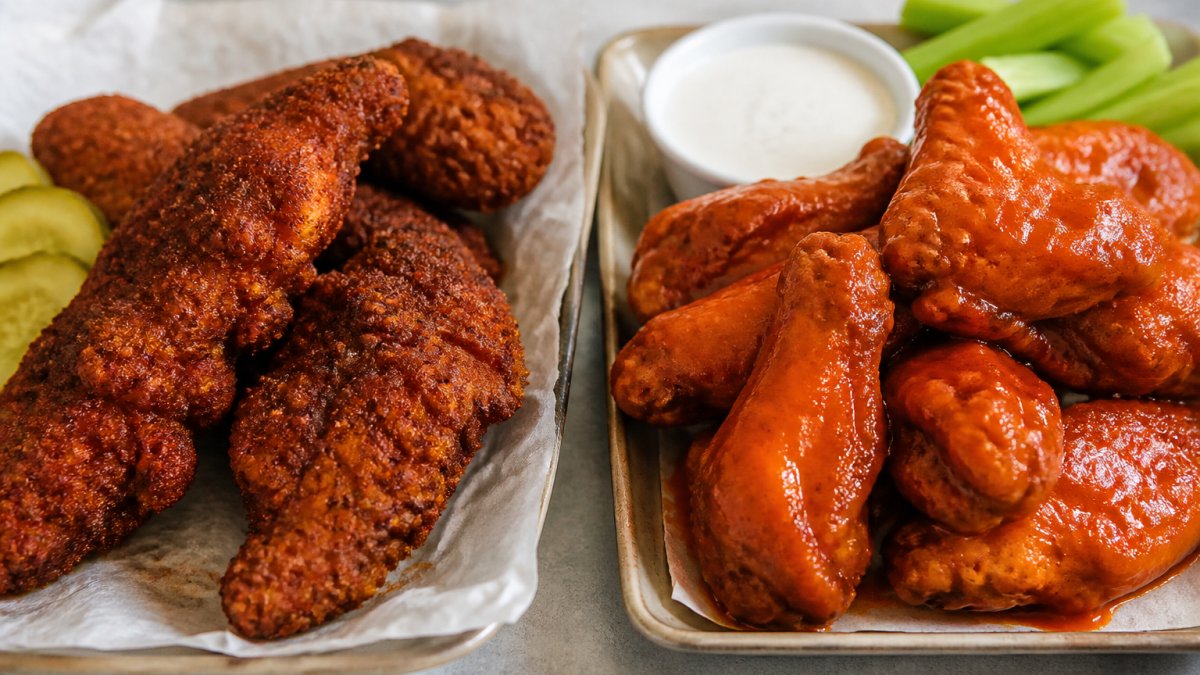
This is a common question, and the answer depends on what you're comparing. A spicy chicken sandwich typically refers to a crispy, fried chicken sandwich with a hot sauce coating. Buffalo chicken traditionally uses a specific sauce made from hot sauce and butter, creating a tangy, moderate heat profile.
Most spicy chicken sandwiches run hotter than classic Buffalo chicken. Buffalo sauce usually lands in the mild-to-medium range, around 2,500 to 5,000 SHU depending on the recipe. A true hot chicken sandwich can easily exceed 10,000 SHU or higher.
The difference comes down to sauce construction. Buffalo relies on balance between heat and butter's richness. Hot chicken sauces often prioritize heat intensity with less butter buffering. If you're moving from Buffalo chicken to hot chicken, expect a noticeably spicier experience.
Hot Chicken Sauces and Flavor Profiles
A sauce is more than heat. It's the foundation of your meal. The best hot chicken sauces layer flavor beneath the spice, they don't just burn.
Good hot chicken sauce balances several elements: heat from peppers, richness from oil or butter, tang from vinegar or citrus, and savory depth from spices. When these components align, you get a sauce that enhances chicken instead of overpowering it.
Balancing Heat With Flavor
Heat and flavor are partners, not competitors. A sauce at 8,000 SHU with complex spicing tastes better than a sauce at 15,000 SHU that's just pure burn.
Look for sauces that include:
- Pepper variety: Multiple pepper types create layered heat. Cayenne, habanero, and ghost pepper each bring different flavor notes.
- Aromatics: Garlic, onion, and spices add depth that makes heat feel purposeful.
- Acid balance: Vinegar or lime juice brightens the sauce and cuts through richness.
- Fat content: Oil or butter carries flavor and rounds out the heat's sharp edges.
At Lava Hot Chicken, our signature Lava Sauce uses a precision blend of peppers and spices so every heat level tastes bold and intentional. You're not just enduring spice, you're tasting craftsmanship.
Sides for Spicy Chicken That Complement Heat
The right sides transform your meal. They cool your palate, add textural contrast, and let you enjoy more chicken without overwhelming your mouth.
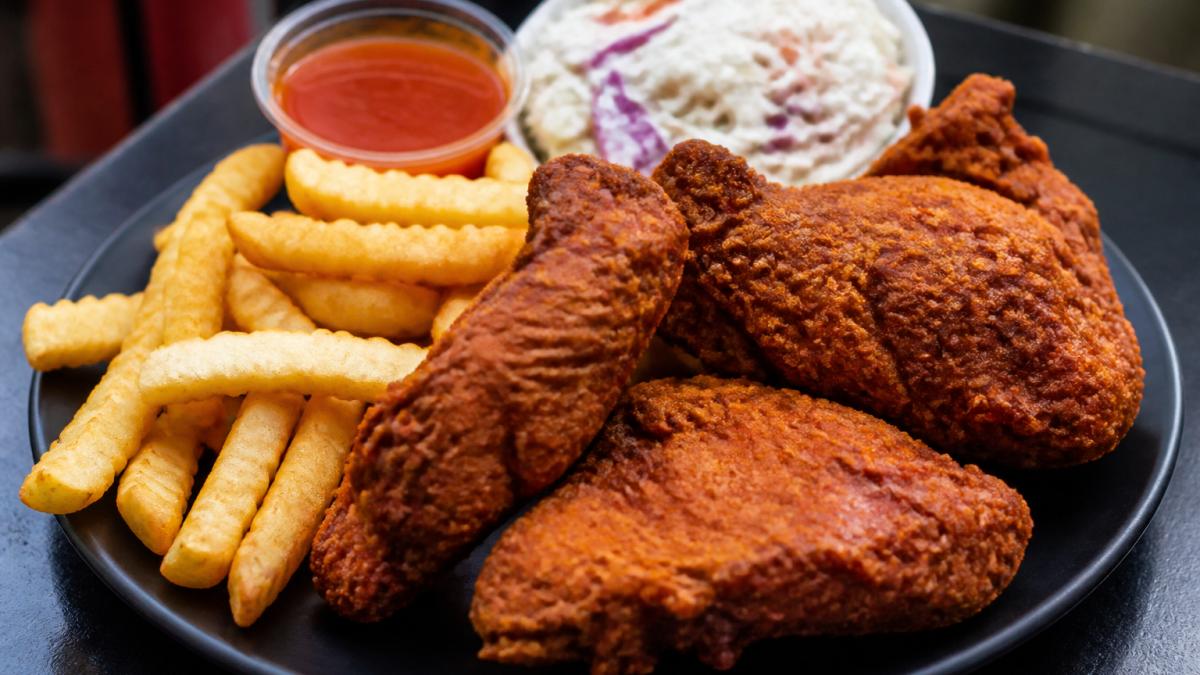
Cooling sides are essential. Coleslaw's creamy tang neutralizes heat beautifully. Crinkle-cut fries provide a starchy anchor that balances spice. Cool beverages, water, milk, or iced tea, help manage heat buildup between bites.
Textural contrast matters too. Crispy chicken against creamy sides, soft chicken against crunchy fries. This variety keeps every bite interesting, even at high heat levels.
Best side pairings by heat level:
- No Spice to Mild: Fries, coleslaw, pickles. Standard comfort food sides work perfectly.
- Medium: Add cooling elements. Coleslaw becomes essential. Consider a cool beverage nearby.
- Hot and Fire: Creamy sides are non-negotiable. Coleslaw, ranch dip, or cool drinks help manage intensity.
Matching Heat Levels to Your Palate and Tolerance
Choosing the right heat level is personal. It depends on your tolerance, your experience with spicy food, and what you're eating it with.
For Heat-Averse Eaters
If spice makes you uncomfortable, start with No Spice or Mild. These options deliver bold, savory chicken without any burn. You get the full Lava Hot Chicken experience, crispy, juicy, hand-prepped chicken, without heat stress.
Many heat-averse eaters discover they enjoy mild spice when it's paired with the right sides. Creamy coleslaw and cool beverages make mild heat approachable. You might surprise yourself.
For Moderate Spice Seekers
Medium heat is where most people thrive. You get real spice that builds slightly, but it doesn't dominate your meal. You can taste the sauce's complexity, enjoy the chicken's texture, and eat a full meal without discomfort.
If you've eaten jalapeños comfortably or enjoyed mild salsa regularly, Medium is your starting point. It's spicy enough to feel like an accomplishment, mild enough to be repeatable.
For Chili-Headed Enthusiasts
Hot and Fire levels are built for serious spice lovers. These aren't entry points, they're destinations. If you regularly eat habanero-level heat and want more intensity, Hot is your baseline. Fire is for those chasing the ultimate heat challenge.
Even at these levels, flavor matters. Lava's hot chicken sauces don't just burn, they deliver complexity beneath the intensity. You're not just testing your tolerance; you're experiencing crafted heat.
Customizing Your Heat: Practical Tips for Every Meal
You don't have to accept a preset heat level. You can customize your experience before, during, and after your meal through strategic choices that actually work.
Before Your Meal: Setting Yourself Up for Success
Eat a small meal or snack first. Never eat hot chicken on a completely empty stomach. Capsaicin is fat-soluble, meaning it dissolves in fat and oil, not water. If your stomach is empty, capsaicin hits your stomach lining directly and intensifies the burn. Eating a small portion of bread, rice, or dairy 15-20 minutes before your hot chicken meal buffers your stomach and slows capsaicin absorption.
Choose your beverage strategically. Water is often not the best choice for managing active heat. Milk can be superior. Yogurt or ice cream may provide similar relief. Avoid sugary drinks and alcohol.
During Your Meal: Controlling Heat in Real Time
Request sauce on the side. This is the single most effective customization tool. Instead of sauce baked into the chicken, ask for it in a small container. You control the amount on each bite. Dip lightly for mild intensity, coat heavily for maximum spice.
Layer your sides strategically. Eat a forkful of creamy coleslaw or ranch dip between bites of hot chicken. This rhythm resets your palate and lets you eat more without overwhelming heat buildup.
Pace yourself deliberately. Don't rush through hot chicken. Eat slowly, chew thoroughly, and give your palate time to adjust between bites. Rapid consumption compounds heat sensation because capsaicin accumulates faster than your body can process it.
Use dairy strategically. If a sauce feels too hot mid-meal, take a spoonful of sour cream, ranch dip, or ice cream. The casein in dairy binds to capsaicin and provides immediate relief. This works better than water and faster than waiting.
After Your Meal: Recovery and Building Tolerance
Understand capsaicin persistence. The sensation of heat can linger after your meal ends. Drinking water or milk after eating may provide temporary relief. This is normal and expected at higher heat levels.
Build tolerance gradually, not recklessly. If you want to work up from Medium to Hot to Fire, spend at least one week at each level before advancing. This gradual approach can make higher heat levels more enjoyable. Jumping from Medium straight to Fire may feel unbearable and could discourage you from exploring spice further.
Track your progression. Keep a simple mental note of which heat level you tried and how it felt. Did Medium feel manageable? Did Hot feel overwhelming? This data helps you identify your next realistic step. Most people find they can comfortably advance one level every 1-2 weeks with regular exposure.
Heat Level Customization by Tolerance
| Tolerance Level | Starting Point | Sauce Application | Side Strategy | Beverage | Timeline to Next Level |
|---|---|---|---|---|---|
| Heat-Averse | No Spice or Mild | Light coating or on the side | Coleslaw, fries, pickles | Water or iced tea | N/A, focus on enjoyment |
| Moderate Seeker | Medium | Half on chicken, half on side | Coleslaw essential, fries recommended | Milk or water | 1-2 weeks |
| Spice Enthusiast | Hot | Full coating, extra on the side | Creamy sides non-negotiable, dairy dip nearby | Milk primary, water secondary | 1-2 weeks |
| Heat Challenger | Fire | Maximum coating, sauce on the side for extra | Sour cream or ranch dip required, ice cream for recovery | Milk constantly available | Build from Hot level |
Frequently Asked Questions
What are the different hot chicken heat levels?
Hot chicken heat levels typically range from mild to extreme. Most restaurants, including Lava Hot Chicken, offer a progression starting with No Spice for those who want flavor without heat, then mild and medium for moderate tolerance, hot for serious spice seekers, and Fire for chili-headed enthusiasts. Each level builds in intensity while maintaining flavor balance, allowing diners to climb the heat ladder at their own pace.
How do I choose a spice level if I don't like very spicy food?
Start with No Spice or mild options that emphasize flavor over heat intensity. These levels let you enjoy the chicken's quality, seasoning, and sauce without overwhelming your palate. Pair mild or medium heat levels with cooling sides like coleslaw or crinkle-cut fries to further balance the experience. You can always increase heat levels gradually as your tolerance builds.
Is a spicy chicken sandwich hotter than buffalo chicken?
Hot chicken typically reaches higher heat levels than traditional buffalo chicken. Buffalo chicken relies on a tangy, buttery sauce with moderate heat, while hot chicken uses pepper-based sauces and spice-forward preparation that can reach extreme intensity. The key difference is intentionality: hot chicken is designed to challenge your heat tolerance, whereas buffalo chicken balances heat with flavor and tang.
What sides help balance spicy food?
Cooling, creamy, or starchy sides are your best allies. Coleslaw, crinkle-cut fries, and ranch-based accompaniments provide relief and complement the heat without diluting flavor. Dairy-based sides can work well. Pairing hot chicken with these sides lets you enjoy maximum flavor while managing heat intensity throughout your meal.