 blog
Halal Fried Chicken: The 2026 DFW Guide to Heat & Value
Table of Contents
- Halal Fried Chicken: What Sets It Apart and Why It Matters
- How Halal Chicken Certification Works (and How to Verify It)
- Halal Hot Chicken: Heat Levels, Flavor, and What to Expect
- Nashville Hot Chicken Halal: How It Compares and Where to Find It
- Halal Fried Chicken Near Me: Finding Local Options in DFW
- Price, Portion, and Value: A Like-for-Like Comparison
- Dietary, Allergen, and Preparation Details You Should Know
- Frequently Asked Questions
Last Updated: October 10, 2026
Halal Fried Chicken: What Sets It Apart and Why It Matters
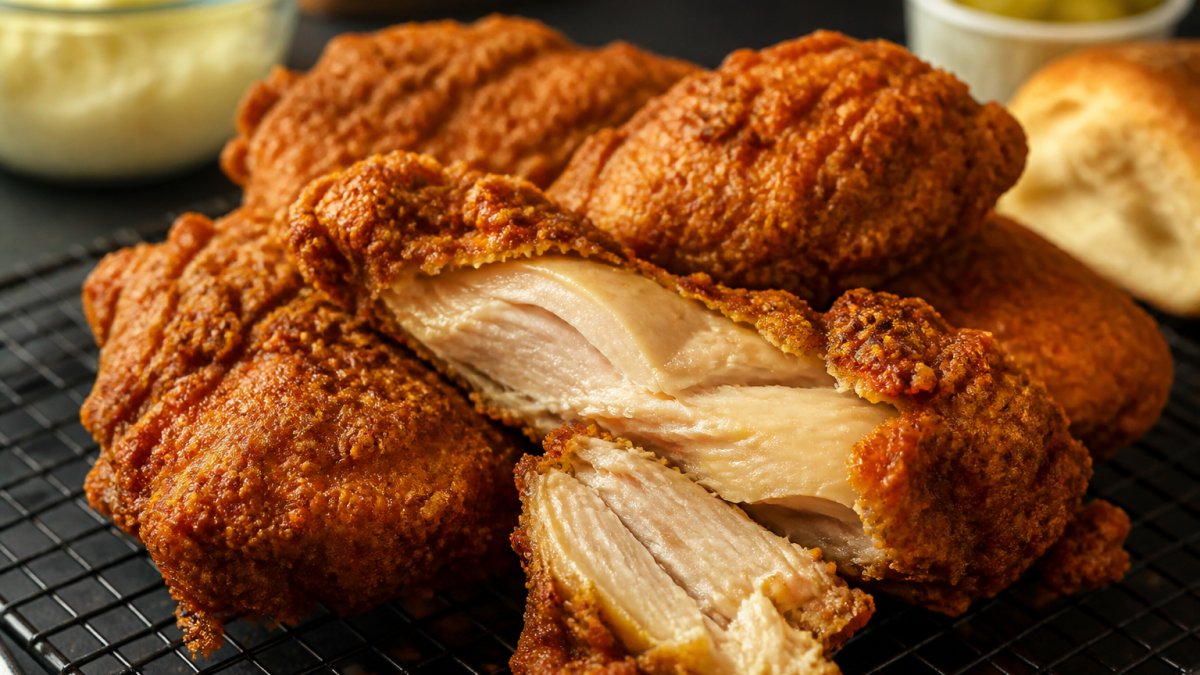
Halal fried chicken is chicken that has been raised, slaughtered, and prepared according to Islamic dietary law, then cooked and served without cross-contact with pork, alcohol, or non-halal meat. For Muslim diners in the Dallas-Fort Worth metroplex, that distinction decides where they can eat. At Lava Hot Chicken, we built our kitchen around it: five heat levels, hand-prepped and double-dredged chicken, and halal certification that holds up to a question.
Here is the part most people get wrong. Halal is not a spice level, a marketing label, or a cuisine. It is a supply chain, and the restaurant either controls it or it does not. A halal fried chicken spot with a great crunch but a sloppy sourcing chain is not halal in any meaningful sense.
Halal vs. Regular Fried Chicken: The Real Differences
The chicken itself can look identical. Same golden crust, same juicy interior, same crinkle-cut fries on the side. The difference sits upstream, in how the bird was raised and slaughtered, and downstream, in how the fryer is managed.
Halal rules prohibit pork, alcohol, blood, and meat from animals not slaughtered in the prescribed way (What Can Muslims Not Eat? Guide to Islamic Dietary Laws). In a fried chicken kitchen, that means separate fryers or a verified halal-only oil supply, no beer batter, no bacon toppings, and no shared prep surfaces with non-halal items. If a restaurant fries halal chicken in the same oil as non-halal chicken, the halal status is compromised.
That is the whole ballgame. Everything else, the breading, the heat, the sauce, is craft. The halal status is compliance.
Why Certification and Sourcing Are the Real Test
Anyone can print "halal" on a menu. Verification is what separates a claim from a commitment. A halal certification body inspects the supplier's slaughter process, confirms the animal was handled correctly, and issues documentation that the restaurant keeps on file. That paper trail is what a customer is really paying for.
If a restaurant cannot tell you who certifies their chicken, they probably cannot tell you anything else about it either. That is not a knock on small operators. It is a practical filter you can apply in thirty seconds at the counter.
How Halal Chicken Certification Works (and How to Verify It)
Halal chicken certification is a third-party inspection process in which an authorized certifying organization verifies that a supplier's slaughter, handling, and processing meet Islamic dietary requirements, then documents that verification for buyers down the chain. The restaurant's job is to source only from certified suppliers and to keep that certification current.
Verification works like this:
- The slaughter facility is inspected and approved by a recognized halal certifier
- Each shipment carries documentation linking it back to that facility
- The restaurant retains certificates and can produce them on request
- The kitchen maintains separation from pork, alcohol, and non-halal meat
That last point matters more than most diners realize. A certified chicken can lose its halal status in a kitchen that handles it carelessly.
Questions to Ask Before You Order
Ask these directly. A restaurant that takes halal seriously will answer without hesitation.
- Who certifies your chicken, and can I see the certificate?
- Are your fryers used exclusively for halal chicken?
- Does anything on the menu contain alcohol, pork, or non-halal meat?
- How do you handle shared prep surfaces and utensils?
If the answers are vague, that tells you something. If they are specific and the staff knows where the paperwork is, you have found a place worth returning to. This is one of the clearest ways halal fried chicken near me searches should be evaluated, and almost nobody does it.
Halal Hot Chicken: Heat Levels, Flavor, and What to Expect
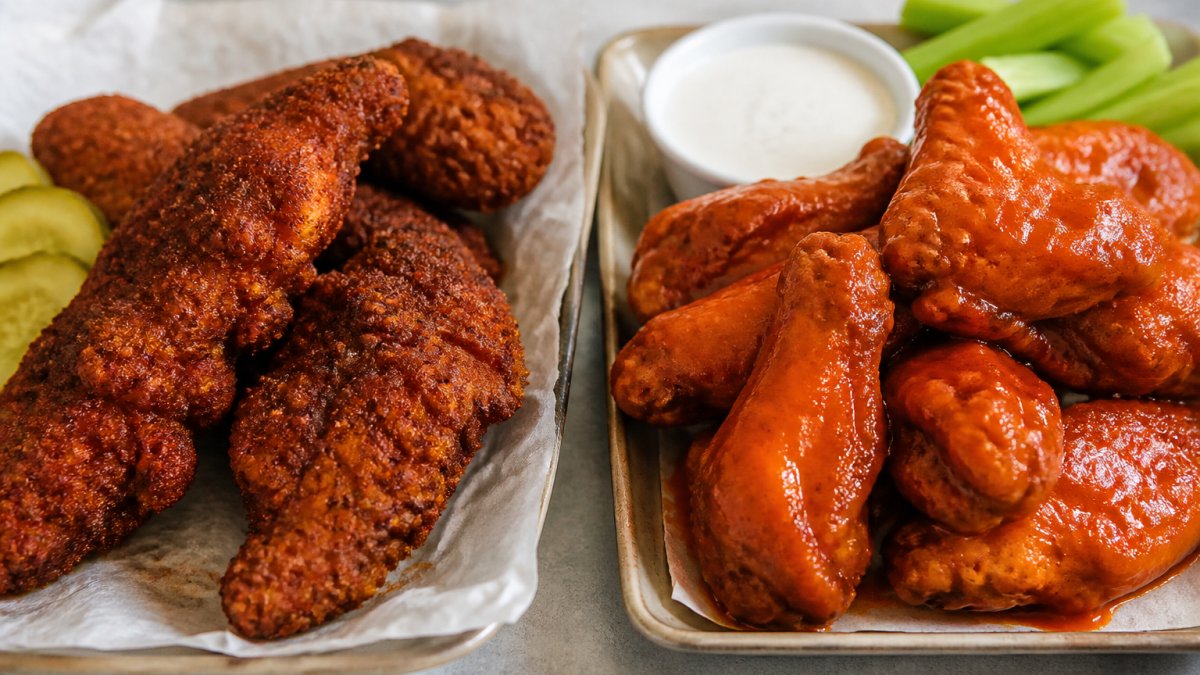
Halal hot chicken is fried chicken coated in a spiced oil or paste, typically built around cayenne, that delivers heat alongside flavor rather than instead of it.
Here is where a lot of hot chicken fails. The spice blend is treated as a punishment, and the chicken underneath is an afterthought. Dry meat, breading that slides off in the first bite, sauce that exists only to burn. That is not hot chicken. That is a dare.
Good halal hot chicken starts with the chicken. Hand-prepped, double-dredged, fried so the crust adheres and the interior stays juicy. The heat comes after, layered on so you taste cayenne, garlic, and whatever signature notes the kitchen builds in, then the burn arrives a beat later.
Heat Ladder Breakdown: From No Spice to Fire
A five-level ladder is the practical sweet spot. Fewer levels and you cannot serve a family with mixed tolerances. More levels and the distinctions blur.
| Level | Heat Profile | Best For |
|---|---|---|
| No Spice | Seasoned, zero burn | Kids, spice-averse diners |
| Mild | Gentle warmth, flavor-forward | First-timers |
| Medium | Noticeable heat, still balanced | Everyday heat seekers |
| Hot | Serious burn, flavor intact | Regulars |
| Fire | Maximum heat, no apologies | Chili-heads |
The single best thing a hot chicken restaurant can do is let one table order across the whole ladder. A kid gets No Spice, a parent gets Fire, and nobody compromises. If a menu forces the whole table into one heat level, it is not built for families.
Nashville Hot Chicken Halal: How It Compares and Where to Find It
Nashville hot chicken halal is the same dish as traditional Nashville hot chicken, fried chicken finished with a cayenne-based spice oil, with one structural change: the chicken is halal-certified and the kitchen avoids pork, alcohol, and non-halal cross-contact.
That is worth stating plainly, because a lot of people assume halal means a compromise. It does not. Cayenne is cayenne. The crust is the crust. What changes is the sourcing and the kitchen discipline behind it.
Where the two diverge is in execution. Traditional Nashville hot chicken is often served on white bread with pickles, and the heat is applied as a paste or oil brushed over the finished bird.
For diners in the metroplex, the practical question is simpler than the culinary one: can you find a halal version that is actually good, not just technically compliant?
Halal Fried Chicken Near Me: Finding Local Options in DFW
Searching for halal fried chicken near me in DFW returns a long list, and most of it is noise. The useful filter is not distance. It is whether the restaurant can answer the certification questions above and whether the food holds up on the second visit.
Start with these criteria:
- Verified halal certification with documentation available
- Consistent heat levels that match the menu description
- Freshness you can taste, meaning made-to-order rather than held under a lamp
- Portion value that justifies the drive
That last one matters in a metroplex this spread out. A twenty-minute drive for a mediocre sandwich is a bad trade. A twenty-minute drive for a generous combo two people can share is a different calculation entirely.
Rowlett and Plano: What Makes a Location Work for You
Location is a real variable here, not a footnote. Rowlett sits on the eastern side of the metroplex along the lake, while Plano anchors the northern corridor. Depending on where you live and work, one is a weeknight stop and the other is a weekend trip.
The practical question is frequency. If a halal fried chicken spot is close enough that you would go twice a month, it becomes part of your rotation. If it is a forty-minute haul each way, it becomes a novelty. We opened in both Rowlett and Plano for exactly that reason: to keep the drive short enough that the craving is actually satisfiable.
Price, Portion, and Value: A Like-for-Like Comparison
Value in fried chicken is not the sticker price. It is the price divided by how many people the order actually feeds.
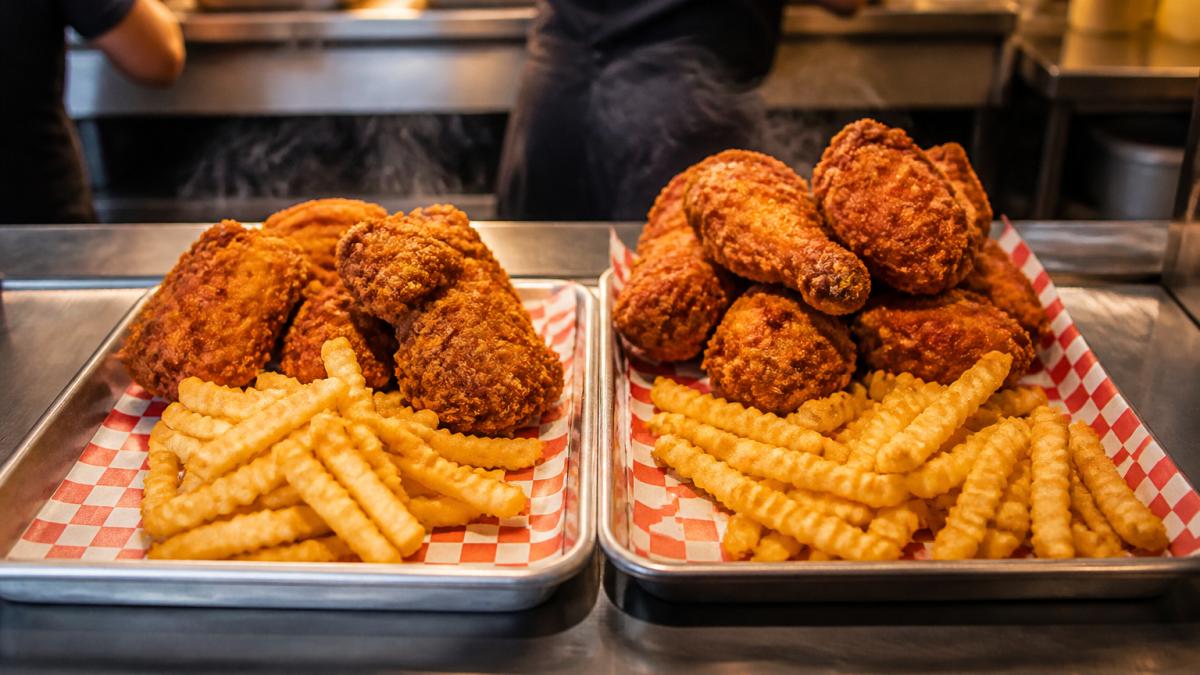
Here is how to run the comparison yourself, without guessing:
| What to Compare | How to Measure It | Why It Matters |
|---|---|---|
| Portion size | How many people one combo feeds | The real cost per person |
| Chicken quality | Juicy vs. dry, crust adherence | Cheap chicken shows up here first |
| Heat accuracy | Does the level match the menu | Signals kitchen discipline |
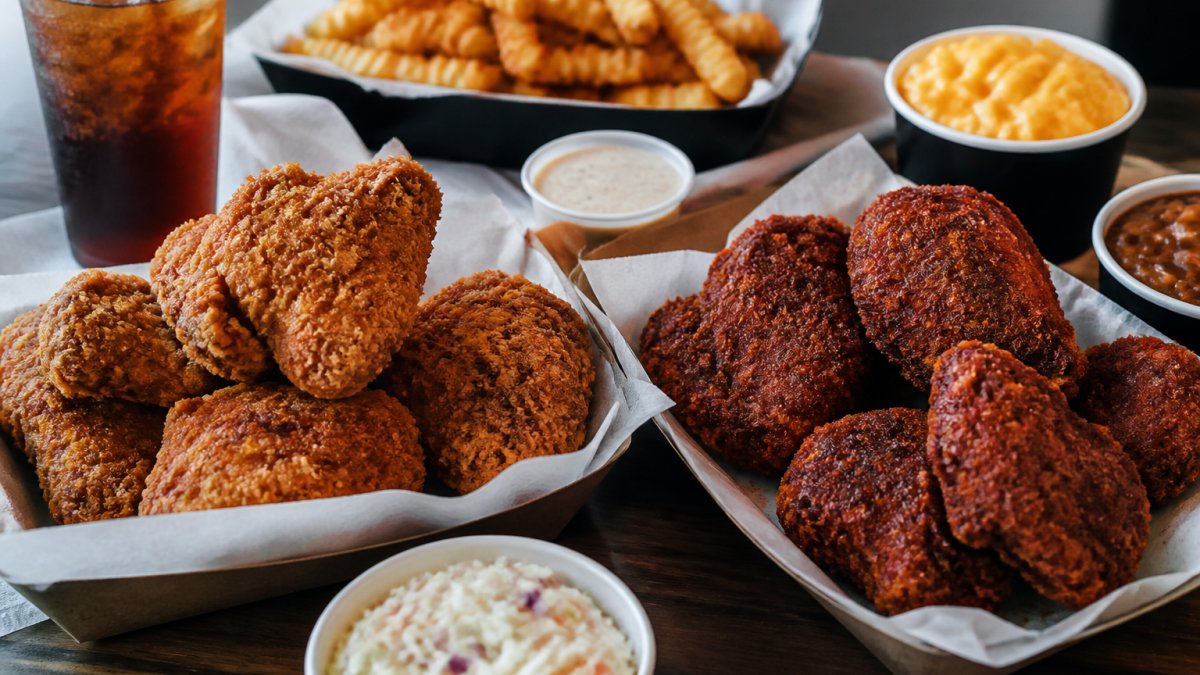
| Sides included | Fries, drink, slaw | Changes the true total |
| Freshness | Made-to-order or held | Determines texture and taste |
Run that against any halal fried chicken option and the picture gets clear fast.
What we will say plainly: our portions are built so a combo can genuinely feed two people. That is not a marketing line. It is the thing customers mention most, and it changes the value math more than any discount would.
Dietary, Allergen, and Preparation Details You Should Know
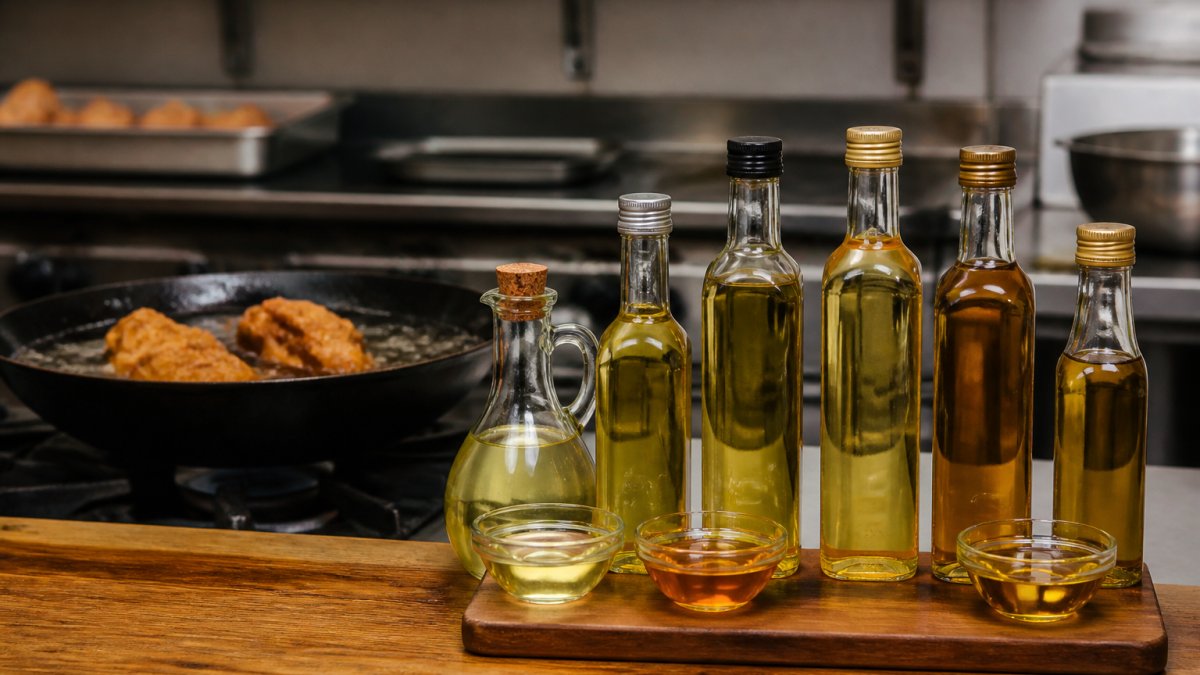
Allergen handling is where fried chicken restaurants earn or lose trust, and peanut oil is the headline issue. Peanut allergies are common and serious, and a shared fryer is a genuine risk for anyone with one.
We fry in beef tallow, not peanut oil. For diners managing a peanut allergy, that removes the most common exposure route in a fried chicken kitchen.
Beyond that, ask about:
- Gluten in the dredge and the sauce
- Dairy in the slaw, sauces, or sides
- Cross-contact between heat levels and between menu items
- Preparation method for anything you are unsure about
No restaurant can promise zero risk, and any that does is not being straight with you. What a good kitchen can do is tell you exactly how it prepares your food and where the boundaries are.
Finding halal fried chicken that is certified, fresh, and actually worth the drive is harder than it should be.
Frequently Asked Questions
What makes fried chicken halal?
Halal fried chicken requires the chicken to be raised and slaughtered according to Islamic dietary law: a Muslim slaughterer, a swift cut, and a blessing said at the time of slaughter. The chicken must also be free of non-halal ingredients like alcohol or pork derivatives in the breading, marinade, or frying oil. For a restaurant to serve halal fried chicken, it must source certified halal chicken and prevent cross-contamination with non-halal items throughout storage, prep, and cooking. Ask to see the supplier certificate if you want proof.
How can I tell if a fried chicken restaurant is halal?
Look for a certificate from a recognized halal certification body displayed in-store or listed on the restaurant's website. The certificate should name the supplier and the specific products covered. If it is not visible, ask staff directly: which supplier do you use, who certifies them, and how do you avoid cross-contact with non-halal items? A restaurant that is genuinely halal-certified will have clear answers. If the response is vague, treat the claim with caution.
Does halal fried chicken taste different?
No. Halal fried chicken tastes the same as any other fried chicken because the certification covers sourcing and preparation methods, not flavor. The taste comes from the seasoning, breading, frying oil, and how fresh the chicken is. What you should evaluate is the same for any fried chicken: is the coating crispy, is the meat juicy, and are the flavors balanced? Halal certification tells you how the chicken was sourced, not how it was cooked.
What should I ask a restaurant about its halal certification?
Ask four things: Which certification body certifies your chicken? Can I see the certificate? Which specific menu items does it cover? How do you prevent cross-contamination with non-halal items? A transparent restaurant will answer all four without hesitation. If they cannot name the certifier or show documentation, the halal claim is unverified. This is especially important if you have dietary restrictions or allergies.